


Reviews
Vol. 46: Issue 3 - June 2026
Development of depression in patients with oropharyngeal cancer: a systematic review
Authors
Ida Salskov
 , Camilla Juul Kibsgaard
, Amanda-Louise Fenger Carlander
, Anne Sofie Kvist
, Kathrine Kronberg Jakobsen
, Christian Grønhøj
, Christian von Buchwald
, Camilla Juul Kibsgaard
, Amanda-Louise Fenger Carlander
, Anne Sofie Kvist
, Kathrine Kronberg Jakobsen
, Christian Grønhøj
, Christian von Buchwald
Summary
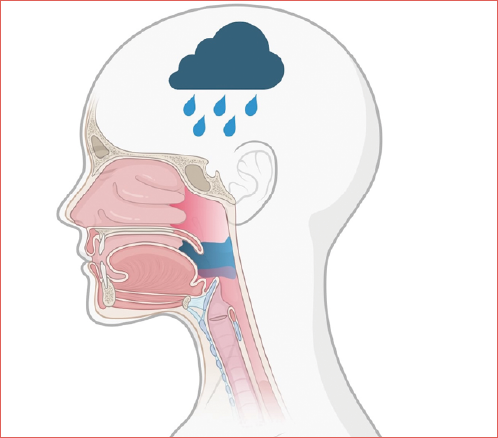
Cover Image
Objective. The incidence of oropharyngeal cancer (OPC) has increased in the Western world. OPC affects quality of life, although the risk of depression in patients with OPC remains unknown. We investigated the risk of developing depression in patients with OPC.
Methods. Studies were identified through a systematic search in PubMed and EMBASE following Preferred Reporting Items for Systematic Reviews and Meta-Analyses guidelines.
Results. Four studies comprising 3,736 OPC patients (range, 130-2,497 patients) from the United States (US/SEER and US/Texas), Australia, and the United Kingdom (UK) were included. The studies differed in methodology. The UK study showed that 47% of OPC patients had depressive symptoms compared to 14% of OPC patients with mild, moderate, or severe depression in the Australian study at 12 months after diagnosis. The US/SEER study found a cumulative probability of 19% for developing depression within 5 years after diagnosis, while the US/Texas study found that 15% of the OPC patients had symptoms of major depression after OPC diagnosis but before radiotherapy.
Conclusions. Overall, this study indicates that OPC patients are at risk of developing depression, although studies are heterogenous. Screening for depression among OPC patients should be considered in future treatment regimens.
Introduction
The incidence of oropharyngeal cancer (OPC) has been increasing in the Western world for the last few decades, primarily driven by infection with oncogenic human papillomavirus (HPV) 1-4. HPV-positive (HPV+) OPC exhibits a distinct biological, epidemiological, and histopathological profile compared to HPV-negative (HPV-) OPC, which is driven by tobacco and alcohol 5-7. Most importantly, HPV+ OPC patients have a more favourable prognosis 1,7,8.
The treatment regimen comprises, per tradition, most often chemoradiotherapy (CRT) but also surgery, radiotherapy (RT), or chemotherapy (CT) either in combination or as monotherapy 9-12. Treatment-related side effects include dysphagia, xerostomia, difficulties with chewing, fatigue, and appetite loss, which severely and negatively impact the quality of life (QoL) 13-18. Furthermore, OPC survivors have been shown to experience sexual health problems and psychological distress post-treatment 19,20.
A recent study showed that patients with oral cancer, a nearby location to OPC, are at risk of developing depressive symptoms (DS) post-treatment 21, in parallel with cancer patients in general 22,23. Additionally, studies found that cancer patients with depression are associated with a higher mortality rate than cancer patients without depression 24.
However, there is a lack of knowledge regarding the risk of depression in patients with OPC, comprising the 2 clinical phenotypes, i.e., HPV or tobacco and alcohol induced OPC. Therefore, the aim of this systematic review was to investigate the risk of depression in patients with OPC.
Materials and methods
This systematic review was conducted according to the Preferred Reporting Items for Systematic Reviews and Meta-Analyses (PRISMA) 25 (Fig. 1). Two reviewers (CJK and IS) independently screened the articles. Eligible studies were identified through a systematic search in the PubMed and EMBASE databases.
Inclusion criteria were: 1) patients treated for oropharyngeal cancer (including CRT, surgery, CT, RT, or combinations thereof); 2) depression diagnosis and/or DS evaluated either by validated depression questionnaires, International Classification of Diseases (ICD) codes, or diagnosed by a psychiatrist; 3) language in Danish, Swedish, Norwegian, or English; and 4) published within the last 10 years.
Studies were excluded if they included less than 5 patients. If the same study cohort was used twice, only one study was included.
To build the search string, the following keywords were used: “oropharyngeal cancer” and “depression” or “post-traumatic stress disorder (PTSD)” or “quality of life” and “cancer survivors” or “aftercare”. Possible synonyms for the keywords were employed. Supplementary 1 contains extended details on the electronic search. The last search was conducted on September 29, 2023.
The following data were extracted: authors, publication year, country, centre/database, inclusion period, number of patients, age, gender, follow-up time, measurement of depression, anatomical subsite, histology, HPV status/definition, treatment regimen, and tumour stage at diagnosis.
Results
The literature search retrieved 1,042 studies after exclusion of duplicates (Fig. 1). Four studies met the inclusion criteria with a total of 3,736 patients (range, 130-2,497 patients; Tab. I). Jansen et al. included 973 patients with OPC from 2011-2014 26. Shinn et al. included 130 patients with OPC from 2005-2007 27 and Bigelow et al. included 2,497 patients with OPC from 2004-2011 28. While the US/Texas study only included patients from Texas 27, the US/SEER study included patients from Surveillance, Epidemiology, and End Results (SEER)-Medicare-linked databases from 12 states of the United States of America 28. McDowell et al. included 136 patients with HPV+ OPC from 2018-2019 29.
Clinical characteristics
The overall M:F ratio was 4:1. The US/Texas and Australian studies reported a mean age of 56 and 61 years, respectively 27,29, while the US/SEER study reported a median age of 72 years 28. The UK study did not further specify age but included 3 patients 16 years old 26. See Table I.
In the Australian study the palatine tonsils were the most common sublocation (n = 84, 62%) 29, while the base of the tongue was most common in the US/SEER study (n = 1288, 52%) 28. Two studies did not specify the anatomical subsite 26,27. In the US/Texas study most patients were American Joint Committee on Cancer (AJCC) Stage III-IV (AJCC version not specified) (n = 119, 91.5%) 27, in the US/SEER study most patients were AJCC 6th Stage IV (n = 1392, 64.8%) 28, and in the Australian study most patients were UICC8 Stage I (n = 74, 54%) 29. Stage was not defined in the UK study 26 (Tabs. I-II).
HPV status
Most patients in the UK study were HPV+ OPC (n = 603, 62%) based on an enzyme-linked immunosorbent assay (ELISA) 26. The US/Texas study reported HPV data on 22 OPC patients (17%), with 15 being HPV+ OPC (68%) and 7 being HPV- OPC (32%), with no specification on the definition of HPV-positivity 27. The Australian study only included HPV+ OPC patients based on p16 status 29, while the US/SEER study did not provide HPV status 28 (Tab. II).
Treatment
In the US/Texas, Australian, and US/SEER studies the majority of OPC patients underwent CRT with proportions of 75%, 87%, and 54%, respectively 27-29. Treatment regimens were not specified in the UK study26 (Tab. I).
Questionnaires
The UK study, the US/Texas study, and the Australian study used the following questionnaires to measure depression, respectively 26,27,29: the Hospital Anxiety and Depression Scale (HADS), the Physicians Health Questionnaire (PHQ-9), and the Patient-Reported Outcomes Measurement Information System (PROMIS) questionnaire. None of the questionnaires are diagnostic for clinical depression, but PHQ-9 and PROMIS have a high sensitivity and specificity for detecting clinical depression 30-33.
The fourth study did not use a questionnaire but extracted data on depression from the SEER Medicare-Linked database based on ICD-9 coding.
Depression at diagnosis
At baseline, the proportion of depression and/or DS among OPC patients varied from 4.5% (n = 112) in the US/SEER study 28 to 17.8% (n = 173) in the UK study 26. In the UK study it was further divided, corresponding to 15.7% (n = 95) of HPV+ OPC patients, 22.3% (n = 53) of HPV- OPC patients, and 18.9% (n = 25) with unknown HPV status 26.
In the US/Texas study 15% (n = 19) had depression at baseline, measured between diagnosis and start of RT, and some of the patients received neoadjuvant CT (n = 47) 27. They found no significant differences in depression assessed at start of RT between those who received neoadjuvant CT or those who did not (p = 0.613) 27. Self-reported pre-existing depression at baseline in the Australian study showed that 17 (12%) of HPV+ OPC patient had DS, 116 (85%) of HPV+ OPC patients had no DS, and 3 (2%) did not know 29 (Tab. III).
Depression following treatment
In the UK study, at 12-month follow-up and after treatment start, 567 (58%) OPC patients completed HADS, with 302 (53.3%) never having experienced DS in the study period, 138 (24.3%) having experienced DS at 0 or 4 months from inclusion but recovered at 12-month follow-up, and 127 (22.4%) having persistent, recurrent, or late DS 26. The US/SEER study found a cumulative probability of 14% and 19% of being diagnosed with depression by one or 5 years, respectively, following OPC diagnosis and treatment start within 6 months 28. For matched controls without OPC the probability was 6% and 14%, respectively 28.
In the Australian study, mild depression was reported in 12 patients (9%), moderate depression in 5 (4%), and severe depression in one patient (1%) at 12 months or more after treatment completion 29. They observed an association between higher PROMIS scores and lower global QoL, lower functioning (all 5 European Organization for Research and Treatment of Cancer Quality of Life Questionnaire [EORTC QLQ-C30] domains), higher head and neck cancer (HNC) symptom burden, and symptom interference with daily living 29. No significant association was seen between self-reported depression and anxiety prior to diagnosis and worse emotional distress post-diagnosis 29 (Tab. III).
Depression and prognosis
The US/Texas study showed a significant association between depression measured with PHQ-9 at baseline and overall survival with a hazard ratio (HR) of 3.6 (p = 0.022) when adjusted for comorbidities 27. Furthermore, they found that per unit increase of PHQ-9 the risk of death (p = 0.040) and recurrence (p = 0.017) increased by a factor 1.1 (10%) 27. The US/SEER study also reported that depression was associated with decreased overall survival (HR = 1.63, 95% CI: 1.41-1.88) 28. However, the survival was lower in the matched non-cancer controls with depression (HR = 3.39, 95% CI: 2.93-3.93) compared to OPC patients with depression (HR = 1.63, 95% CI: 1.41-1.88) 28. In the UK study pretreatment DS were significantly associated with reduced survival in head and neck cancer patients (HR = 1.65, p < 0.001) 26. This remained significant when adjusting for age, gender, marital status, education level, income, Index of Multiple Deprivation (IMD) score (a score that measures deprivation across areas by combining various indicators into single scores), tumour location and stage, intended treatment, and comorbidity (HR = 1.29, p = 0.025), but when additionally adjusting for tobacco usage and alcohol consumption, it was not significant (HR = 1.21, p = 0.094) 26.
HPV status and depression
The UK study did not specify the proportions of HPV+ and HPV- OPC patients with DS at follow-up, but they did find an association between pretreatment DS and decreased mean survival for HPV-OPC patients (HR = 1.8, p = 0.031) 26. However, this was not significant when adjusting for age, gender, marital status, education level, income, IMD score, tumour location and stage, intended treatment, comorbidity, tobacco usage, and alcohol consumption (HR = 1.22, p = 0.514) 26. No significant association was found, either before or after adjustment for HPV+ OPC patients 26. No difference in depression was observed between patients with HPV- and HPV+OPC in the US/Texas study 27. The Australian study only included HPV+ OPC patients 29 (see Table III).
Discussion
This is, to our knowledge, the first systematic review investigating depression in patients with OPC. The proportion of OPC patients with depression and DS varied from 14% having depression 26,29 to 47% recovering from DS or having persistent, recurrent or late DS 26. However, the included cohorts were old (2004-2019), and the study designs were heterogeneous in depression screening methods, varying follow-up and data on HPV.
The most widely used treatment regimen was CRT 27-29. The U.S./Texas study specified the development of depression stratified by treatment regimen and found no significant differences 27. It might be important for future studies to stratify by treatment regimen since some cancer treatments have been associated with depression through biological mechanisms 34. Various staging systems were used: AJCC tumour stage, unspecified version 27, AJCC 6th version 28 and the tumour, node and metastasis (TNM) 8th staging system 29. The Australian study found no impact of stage on the risk of depression 29. Nonetheless, patients with more advanced disease might be at higher risk of developing depression, with more extensive treatment potentially leading to more severe and long-term side effects negatively impacting QoL.
Most patients had unknown HPV status (2,737, 73%), but among those with known status, most were HPV+ OPC (754, 75%). In the UK study more HPV- OPC patients had DS than HPV+ OPC patients at baseline 26, but no difference was shown in the U.S/Texas study 27. In general HPV- OPC patients have more risk factors for depression including tobacco and alcohol use, higher age and more comorbidities, which could explain the observed differences observed in the UK study 35-39. However, the UK study did not report HPV+ and HPV- OPC patient proportions with DS at follow up. The Australian study only included HPV+ OPC patients, and 18 (14%) OPC patients had either mild, moderate or severe depression at follow-up 29. It should be noted that all patients were disease-free at the time of evaluation for depression, and the cohort was small (n = 135) 29. Due to limited and heterogeneous HPV data, drawing firm conclusions remains challenging. This underscores the importance of including p16 and/or HPV in future studies.
DS have been associated with worse survival in HNC patients 40, which was also reported in the UK study 26. The U.S./SEER and U.S./Texas studies identified a significant association between development of depression in OPC patients and decreased overall survival 27,28. However, it is likely that patients with advanced cancer and poor prognosis experience more depression.
The depression questionnaires used 26,27,29 included questions on tiredness, dry mouth, etc. which are also well-known treatment related side effects and might inappropriately classify as DS in OPC patients 13-18. PHQ-9 and PROMIS have a high sensitivity and specificity to detect clinical depression 30-33, while HADS is recommended as a screening tool41. Furthermore, the UK study used a cut off at 7 26, although the official HADS classify scores from 8-10 as borderline abnormal, and scores above 10 as abnormal 41. This might overestimate OPC patients with DS in the UK study; incorporating all 3 questionnaires in future research could offer a clearer understanding of the correlation between these instruments in OPC patients. The US/SEEER study used the outdated ICD-9 codes that does not comply with current diagnostics. This highlights the need for more standardised methods for diagnosing and monitoring depression in OPC patients as a preferred final goal.
Since epidemiological data varies regarding to study methods, study populations and depression measurements, it is difficult to compare and generalise the risk of depression in patients with OPC. Studies have reported that the prevalence of major depression among the elderly ranges from 0.9-42% 42-46. In this review, only the U.S./SEER study compared with matched non-cancer controls and found a higher cumulative probability of depression among OPC patients 28. In a recent Danish study, the prevalence of existing depression among people aged 65-74 years old was 10.2% among men and 15.4% among women 47. This aligns with the results observed in this review. However, it should be noted that the majority represented in this study were men (4:1) who have a lower risk of depression 45,47.
A limitation to the study is that 3 studies included patients from 2004-2014 26-28. Also, this review did not include a formal risk of bias assessment, which limits the ability to fully assess the quality and reliability of the evidence presented. The studies used non-standardised, heterogeneous methods and study designs with differences in depression screening measurements, follow-up, and HPV availability. Only one study used a current tumour staging system 29, making it difficult to make conclusions on the relation between tumour stage and depression. Moreover, for most patients the depression status prior to OPC diagnosis was unknown, making it difficult to accurately assess their baseline psychological condition. Also, there is a potential selection bias, since patients with sufficient mental resources are more likely to participate in clinical trials.
Currently, no specific depression screening is a part of the follow-up regimen for OPC patients in Denmark. Based on our results, systematically screening for depression following OPC should be considered. Collaborations with patient associations could also facilitate increased awareness about the risk of depression in OPC patients. Likewise, screening for depression in patients with oral cancer is also suggested in a recent study 21. Our results indicate that patients with HPV- OPC are at higher risk of DS 26, highlighting the importance of additional follow-up for this specific group. Future trials should employ standardised methods for evaluation of depression, p16 and HPV status, tumour stage and treatment regimen to better identify OPC patients at risk of developing post-diagnosis depression.
Conclusions
The findings of this systematic review indicate a risk of developing depression among patients with OPC, with 14% to 46.7% of patients having depression or DS. In conclusion, screening for depression among OPC patients should be a part of standard treatment, preferably with a multi-professional staff including psychiatrists, psychotherapists and psychologists to incorporate comprehensive patient care, optimally in collaboration with patient associations, to emphasise patient empowerment.
Conflict of interest statement
The authors declare no conflict of interest.
Funding
This research did not receive any specific grant from funding agencies in the public, commercial, or not-for-profit sectors.
Author contributions
IS: conceptualization, visualization, methodology, writing original draft; CJK: conceptualization, visualization, methodology, writing original draft; ALFC: supervision, conceptualization, visualization, methodology, writing - review and editing; ASK: writing - review and editing; KKJ: writing - review and editing; CC: writing - review and editing; CVB: supervision, conceptualization, writing - review and editing.
History
Received: April 24, 2025
Accepted: July 2, 2025
Figures and tables
Figure 1. PRISMA flowchart of the study selection.
| Author, publication year, country of the study | Centre/database | Inclusion period | Number of patients with oropharyngeal cancer | Age | Male (M) vs. female (F) in number | Follow-up | Measurement of depression | |
|---|---|---|---|---|---|---|---|---|
| Jansen et al., 2018, the United Kingdom 26 | Head and Neck 5000 (HN5000) prospective clinical cohort study, 76 centres in the United Kingdom | April 2011 - December 2014 | Baseline: 973 patientsFollow-up: 567 (58%) patients(406 [42%] patients either died before end of the first year or had missing follow-up data) | No details about age but included 3 pts. 16 years old | NS | 4- and 12-month follow-up | HADS | |
| Shinn et al., 2016, the United States, Texas 27 | The University of Texas M.D. Anderson Cancer Center (MDACC) | March 2005-June 2007 | 130 patients(18 [14%] patients either died from their cancer or the treatment during the study) | Mean age: 56 yearsMin: 28.4 yearsMax: 79.5 years | M: 108 (83%)F: 22 (17%) | Median of 4.9 yearsMin: 0.1 yearsMax: 6 years | PHQ-9 | |
| McDowell et al., 2021, Australia 29 | The PeterMacCallum Cancer Centre | November 8, 2018-May 8, 2019 | Baseline: 136 patientsAnswered PROMIS questionnaire: 135 patients(missing response from one patient) | Average age: 61 yearsMin: 42 yearsMax: 87 years | M: 114 (84%)F: 22 (16%) | An inclusion criterion was ≥ 12 months following treatment completionYears from RT to follow-up assessment:Mean (SD): 3.0 (1.3)Median (range): 2.8 (1.0-5.5)1-2 years: 38 (28%)2-3 years: 34 (25%)3-4 years: 24 (18%)> 4 years: 40 (29%) | PROMIS - Emotional distress | |
| Bigelow et al., 2020, the United States 28 | The Surveillance, Epidemiology, and End Results SEER–Medicare-linked database | 2004-2011 | 2,497 patients | Median age: 72 yearsMin: 69Max: 77 | M: 1,864 (74.6%)F: 633 (25.4%) | The median follow-up was 5.4 years and 5.7 years, respectively, for cases and controls | Information regarding depression was extracted from SEER–Medicare-linked database based on ICD-9 coding | |
| NS: not specified; HADS: Hospital Anxiety and Depression Scale; PHQ-9: Physicians Health Questionnaire; CES-D: Center for Epidemiologic Studies Depression Scale; | ||||||||
| PROMIS-Emotional distress: Patient-Reported Outcomes Measurement Information System, Emotional Distress Depression Short Form 8a, RT: radiotherapy, | ||||||||
| ICD: International Classification of Diseases. | ||||||||
| Author, publication year, country of the study | Anatomical subsite of oropharynx | Treatment | |||||||||||
|---|---|---|---|---|---|---|---|---|---|---|---|---|---|
| Other oropharyngeal subsite | Palatine tonsils | Base of tongue | Histology | HPV status | HPV definition | Chemoradiotherapy (CRT) | Radiotherapy (RT) | Surgery (S) | Surgery + concurrent RT/CRT | Stage at diagnosis, UICC/AJCC staging system | |||
| Jansen et al., 2018, the United Kingdom 26 | NS | NS | NS | NS | HPV+: 603 (62%)HPV-: 238 (24%)NS: 132 (14%) | Based on ELISA | NS | NS | NS | NS | NS | ||
| Shinn et al., 2016, the United States, Texas 27 | NS | NS | NS | SCC | HPV+: 15 (12%)HPV-: 7 (5%)NS: 108 (83%) | NS | Neoadjuvant chemotherapy + radiation: 47 (36%)Concurrent chemotherapy + radiation: 51 (39%) | Radiation only: 32 (25%)Median radiation dose was 70 Gy | NS | NS | AJCC tumor stage:I-II: 10 (7.8%)III-IV: 119 (91.5%)Missing: 1 (0.7%) | ||
| McDowell et al., 2021, Australia 29 | Lateral pharyngeal wall: 1 (1%)Other:1 (1%) | 84 (62%) | 50 (36%) | NS | HPV+: 136 (100%)HPV-: 0 (0%) | Based on p16 status | Chemotherapy + radiation:High dose cisplatin:55 (41%)Weekly cisplatin: 33 (24%)Cetuximab:22 (16%)Other concurrent:10 (6%)Missing: 1 | Radiation only:16 (12%) | No surgery: 108 (82%)Diagnostic tonsillectomy: 18 (14%)Pre-CRT/RT excisional lymph node biopsy: 6 (5%)Post-treatment neck dissection: 1 (1%)Debulking of the primary: 1 (1%)Missing: 5 | NS | UICC/TNM 7:II: 3(2%)III: 20 (15%)IVA: 100 (74%)IVB: 13 (10%)UICC/TNM 8:Stage I: 74 (54%)Stage II: 22 (16%)Stage III: 40 (29%) | ||
| Bigelow et al., 2020, the United States 28 | 257 (10%) | 952 (38%) | 1,265 (51%)Lingual tonsils: 23 (1%) | SCC | NS | NS | Chemotherapy + radiation: 1,341 (53.7%) | Radiation only: 470 (18.8%) | Surgery only: 159 (6.4%) | Surgery plus radiation: 165 (6.6%)Surgery plus chemotherapy with or without radiation: 362 (14.5%) | AJCC 6th tumour stage:0: 18 (0.8%)I: 119 (5.5%)II: 185 (8.7%)III: 433 (20.2%)IV: 1,392 (64.8%)Unknown: 350 | ||
| NS: not specified; HADS: Hospital Anxiety and Depression Scale; PHQ-9: Physicians Health Questionnaire; CES-D: Center for Epidemiologic Studies Depression Scale; | |||||||||||||
| PROMIS: Patient-Reported Outcomes Measurement Information System, Emotional Distress Depression Short Form 8a; HPV+: HPV-positive; HPV-: HPV-negative; | |||||||||||||
| ELISA: Enzyme-linked immunosorbent assay; SCC: squamous cell cancer; AJCC: American Joint Committee on Cancer; UICC: Union for International Cancer Control; | |||||||||||||
| TNM: tumour, node, and metastasis. | |||||||||||||
| Author, publication year, country of the study | Measurement of depression | Range of scale | Depression outcome | HPV+/- | |
|---|---|---|---|---|---|
| Jansen et al., 2018, the United Kingdom 26 | HADS | HADS score > 7 was used as a cut-off for identifying persons with DS | Baseline prevalence:Population with DS (HADS >7)173 patients out of 973 (17.8%)Population without DS (HADS ≤ 7):800 patients out of 973 (82.2%)12-month follow-up prevalence:At follow-up 567 (58%) completed HADSPrevalence of patients who “never had DS”a: 302 patients out of 567 (53.3%)Prevalence of patients who “recovered from DS”b:138 patients out of 567 (24.3%)Prevalence of patients who had “persistent/recurrent/late DS at 12-month follow-up”c:127 patients out of 567 (22.4%)Mean survival:DS were significantly associated with reduced 1,509 days survival in head and neck cancer patients based on HADS (HR = 1.65, p < 0.001)When adjustede no significance was found (HR = 1.21, p = 0.094) | Baseline results:HPV+DS: 95 (15.7%)No DS: 508 (84.3%)HPV-DS: 53 (22.3%)No DS: 185 (77.7%)Overall survival:Cox regression analyses on the association between pretreatment DS and mean survival: | |
| Shinn et al., 2016, the United States, Texas 27 | PHQ-9 | From 0 to 27. A cutoff score of 10 has a high positive predictive value for diagnosing major depression | Baseline:PHQ-9: Prevalence of patients who were above the cutoff: 19 patients out of 130 (15%)Overall survival:Showed a significant association between PHQ-9 depression and the overall survival (HR = 3.6, p = 0.022). For every unit increase of PHQ-9 the risk of death (p = 0.040) and recurrence (p = 0.017) increased by a factor 1.1 (10%) | No difference in depression status was observed between HPV+ and HPV- OPC | |
| McDowell et al., 2021, Australia 29 | PROMIS (Emotional Distress-Anxiety Short Form 7a [7 items] and Emotional Distress-Depression Short Form 8a) | Scores are converted to t-scores:60-69.9 indicates moderate levels of depression,≥ 70 indicates severe levelsof depressionRange for mild depression NS | Characteristics:Self-reported pre-existing depression:Yes: 17 (12%)No: 116 (85%)Do not know: 3 (2%)Follow-up:Mild range: 12 patients out of 135 (9%)Moderate range: 5 patients out of 135 (4%)Severe range: 1 patient out of 135 (1%)Mean scores for depression were 45.2 (SD = 7.85, range 38.2-70.7) | Only HPV+ patients included; all results described in Table II regard HPV+ patients | |
| Bigelow et al., 2020, the United States 28 | Information regarding depression is extracted from SEER-Medicare-linked database based on ICD-9 coding | NS | Baseline prevalence:Depression: 112 patients of 2,497 (4.5%)Cumulative probability:Cumulative probability of being diagnosed with depression by 1 year in cases after treatment is 14%Cumulative probability of being diagnosed with depression by 5 years in cases after treatment is 19%Overall survival:Depression was associated with decreased overall survival (HR = 1.63, 95% CI: 1.41-1.88) | NS | |
| HADS: Hospital Anxiety and Depression Scale; PHQ-9: Physician Health Questionnaire; CES-D: Centers for Epidemiological Studies-Depression Scale; PROMIS: Patient-Reported Outcomes Measurement Information System; SEER: Surveillance, epidemiology, and end results, DS: depressive symptoms. | |||||
| a HADS below threshold at all measurements; b HADS above threshold at baseline and/or 4-month follow-up, but recovered at 12-month follow-up; c HADS above threshold at 12-month follow-up, regardless of outcome at baseline and 4-month follow-up; d The base case analysis is adjusted for age and gender; e Adjusted for age, gender, marital status, education level, income, IMD deprivation score, tumour location, tumour stage, intended treatment, and comorbidity; and for potential confounding/mediation by tobacco usage and alcohol consumption. | |||||
References
- Mehanna H, Taberna M, von Buchwald C. Prognostic implications of p16 and HPV discordance in oropharyngeal cancer (HNCIG-EPIC-OPC): a multicentre, multinational, individual patient data analysis. Lancet Oncol. 2023;24:239-251. doi:https://doi.org/10.1016/S1470-2045(23)00013-X
- Ferlay J, Colombet M, Soerjomataram I. Estimating the global cancer incidence and mortality in 2018: GLOBOCAN sources and methods. Int J Cancer. 2019;144:1941-1953. doi:https://doi.org/10.1002/ijc.31937
- Carlander A, Jakobsen K, Bendtsen S. A contemporary systematic review on repartition of HPV-positivity in oropharyngeal cancer worldwide. Viruses. 2021;13. doi:https://doi.org/10.3390/v13071326
- Chaturvedi A, Anderson W, Lortet-Tieulent J. Worldwide trends in incidence rates for oral cavity and oropharyngeal cancers. J Clin Oncol. 2013;31:4550-4559. doi:https://doi.org/10.1200/JCO.2013.50.3870
- Hayes D, Van Waes C, Seiwert T. Genetic landscape of human papillomavirus-associated head and neck cancer and comparison to tobacco-related tumors. J Clin Oncol. 2015;33:3227-3234. doi:https://doi.org/10.1200/JCO.2015.62.1086
- Lewis J, Khan R, Masand R. Recognition of nonkeratinizing morphology in oropharyngeal squamous cell carcinoma – a prospective cohort and interobserver variability study. Histopathology. 2012;60:427-436. doi:https://doi.org/10.1111/j.1365-2559.2011.04092.x
- Ang K, Harris J, Wheeler R. Human papillomavirus and survival of patients with oropharyngeal cancer. N Engl J Med. 2010;363:24-35. doi:https://doi.org/10.1056/nejmoa0912217
- Larsen C, Jensen D, Carlander A. Novel nomograms for survival and progression in HPV+ and HPV- oropharyngeal cancer: a population-based study of 1,542 consecutive patients. Oncotarget. 2016;7:71761-71772. doi:https://doi.org/10.18632/oncotarget.12335
- Borras J, Barton M, Grau C. The impact of cancer incidence and stage on optimal utilization of radiotherapy: methodology of a population based analysis by the ESTRO-HERO project. Radiother Oncol. 2015;116:45-50. doi:https://doi.org/10.1016/j.radonc.2015.04.021
- Machiels J, Leemans R, Golusinski W. Squamous cell carcinoma of the oral cavity, larynx, oropharynx and hypopharynx: EHNS–ESMO–ESTRO Clinical Practice Guidelines for diagnosis, treatment and follow-up. Ann Oncol. 2020;31:1462-1475. doi:https://doi.org/10.1016/j.annonc.2020.07.011
- Keam B, Machiels J, Kim H. Pan-Asian adaptation of the EHNS-ESMO-ESTRO Clinical Practice Guidelines for the diagnosis, treatment and follow-up of patients with squamous cell carcinoma of the head and neck. ESMO Open. 2021;6. doi:https://doi.org/10.1016/j.esmoop.2021.100309
- NCCN guidelines: head and neck cancers. [Internet]. Plymouth (UK), [Version 2.2023].
- Høxbroe Michaelsen S, Grønhøj C, Høxbroe Michaelsen J. Quality of life in survivors of oropharyngeal cancer: a systematic review and meta-analysis of 1366 patients. Eur J Cancer. 2017;78:91-102. doi:https://doi.org/10.1016/j.ejca.2017.03.006
- Roets E, Tukanova K, Govarts A. Quality of life in oropharyngeal cancer: a structured review of the literature. Supportive Care Cancer. 2018;26:2511-2518. doi:https://doi.org/10.1007/s00520-018-4227-9
- Jensen S, Vissink A, Limesand K. Salivary gland hypofunction and xerostomia in head and neck radiation patients. J Natl Cancer Inst Monogr. 2019;2019. doi:https://doi.org/10.1093/jncimonographs/lgz016
- Vissink A, Jansma J, Spijkervet F. Oral sequelae of head and neck radiotherapy. Crit Rev Oral Biol Med. 2003;14:199-212. doi:https://doi.org/10.1177/154411130301400305
- Larsen M, Kehlet H, von Buchwald C. Transoral robotic surgery – Time for consensus on pain assessment. A review. Acta Otolaryngol. 2023;143:902-911. doi:https://doi.org/10.1080/00016489.2023.2282149
- Larsen M, Scott S, Kehlet H. Days alive and out of hospital a validated patient-centred outcome to be used for patients undergoing transoral robotic surgery: protocol and perspectives. Acta Otolaryngol. 2021;141:95-98. doi:https://doi.org/10.1080/00016489.2020.1814964
- Togni L, Mascitti M, Vignigni A. Treatment-related dysgeusia in oral and oropharyngeal cancer: a comprehensive review. Nutrients. 2021;13. doi:https://doi.org/10.3390/nu13103325
- Casswell G, Gough K, Drosdowsky A. Sexual health and interpersonal relationships after chemoradiation therapy for human papillomavirus-associated oropharyngeal cancer: a cross-sectional study. Int J Radiat Oncol Biol Phys. 2021;110:382-393. doi:https://doi.org/10.1016/j.ijrobp.2020.11.005
- Lansner M, Jakobsen K, Jensen J. Development of depression in patients with oral cavity cancer: a systematic review. Acta Otolaryngol. 2020;140:876-881. doi:https://doi.org/10.1080/00016489.2020.1778785
- Hartung T, Brähler E, Faller H. The risk of being depressed is significantly higher in cancer patients than in the general population: prevalence and severity of depressive symptoms across major cancer types. Eur J Cancer. 2017;72:46-53. doi:https://doi.org/10.1016/j.ejca.2016.11.017
- Massie M. Prevalence of depression in patients with cancer. J Natl Cancer Inst Monogr. 2004;2004:57-71. doi:https://doi.org/10.1093/jncimonographs/lgh014
- Satin J, Linden W, Phillips M. Depression as a predictor of disease progression and mortality in cancer patients: a meta-analysis. Cancer. Published online 2009. doi:https://doi.org/10.1002/cncr.24561
- Page M, McKenzie J, Bossuyt P. The PRISMA 2020 statement: an updated guideline for reporting systematic reviews. The BMJ. 2021;372. doi:https://doi.org/10.1136/bmj.n71
- Jansen F, Verdonck-de Leeuw I, Cuijpers P. Depressive symptoms in relation to overall survival in people with head and neck cancer: a longitudinal cohort study. Psychooncology. 2018;27:2245-2256. doi:https://doi.org/10.1002/pon.4816
- Shinn E, Valentine A, Jethanandani A. Depression and oropharynx cancer outcome. Psychosom Med. 2016;78:38-48. doi:https://doi.org/10.1097/PSY.0000000000000256
- Bigelow E, Blackford A, Eytan D. Burden of comorbidities is higher among elderly survivors of oropharyngeal cancer compared with controls. Cancer. 2020;126:1793-1803. doi:https://doi.org/10.1002/cncr.32703
- McDowell L, Casswell G, Bressel M. Symptom burden, quality of life, functioning and emotional distress in survivors of human papillomavirus associated oropharyngeal cancer: an Australian cohort. Oral Oncol. 2021;122. doi:https://doi.org/10.1016/j.oraloncology.2021.105560
- Hinz A, Mehnert A, Kocalevent R. Assessment of depression severity with the PHQ-9 in cancer patients and in the general population. BMC Psychiatry. 2016;16. doi:https://doi.org/10.1186/s12888-016-0728-6
- Clover K, Lambert S, Oldmeadow C. PROMIS depression measures perform similarly to legacy measures relative to a structured diagnostic interview for depression in cancer patients. Qual Life Res. 2018;27:1357-1367. doi:https://doi.org/10.1007/s11136-018-1803-x
- Kroenke K, Stump T, Kean J. Diagnostic operating characteristics of PROMIS scales in screening for depression. J Psychosom Res. 2021;147. doi:https://doi.org/10.1016/j.jpsychores.2021.110532
- Kroenke K, Spitzer R, Williams J. The PHQ-9. J Gen Intern Med. 2001;16:606-613. doi:https://doi.org/10.1046/j.1525-1497.2001.016009606.x
- Smith H. Depression in cancer patients: pathogenesis, implications and treatment (review). Oncol Lett. 2015;9:1509-1514. doi:https://doi.org/10.3892/ol.2015.2944
- Boden J, Fergusson D. Alcohol and depression. Addiction. 2011;106:906-914. doi:https://doi.org/10.1111/j.1360-0443.2010.03351.x
- Zamani M, Grønhøj C, Jensen D. The current epidemic of HPV-associated oropharyngeal cancer: an 18-year Danish population-based study with 2,169 patients. Eur J Cancer. 2020;134:52-59. doi:https://doi.org/10.1016/j.ejca.2020.04.027
- Bouvard V, Baan R, Straif K. A review of human carcinogens – Part B: biological agents. Lancet Oncol. 2009;10:321-322. doi:https://doi.org/10.1016/s1470-2045(09)70096-8
- Jané-Llopis E, Matytsina I. Mental health and alcohol, drugs and tobacco: a review of the comorbidity between mental disorders and the use of alcohol, tobacco and illicit drugs. Drug Alcohol Rev. 2006;25:515-536. doi:https://doi.org/10.1080/09595230600944461
- Glassman A, Covey L, Stetner F. Smoking cessation and the course of major depression: a follow-up study. Lancet. 2001;357:1929-1932. doi:https://doi.org/10.1016/S0140-6736(00)05064-9
- Rieke K, Schmid K, Lydiatt W. Depression and survival in head and neck cancer patients. Oral Oncol. 2017;65:76-82. doi:https://doi.org/10.1016/j.oraloncology.2016.12.014
- Mitchell A, Meader N, Symonds P. Diagnostic validity of the Hospital Anxiety and Depression Scale (HADS) in cancer and palliative settings: a meta-analysis. J Affect Disord. 2010;126:335-348. doi:https://doi.org/10.1016/j.jad.2010.01.067
- Cai H, Jin Y, Liu R. Global prevalence of depression in older adults: a systematic review and meta-analysis of epidemiological surveys. Asian J Psychiatr. 2023;80. doi:https://doi.org/10.1016/j.ajp.2022.103417
- Blazer D. Depression in late life: review and commentary. J Gerontol A Biol Sci Med Sci. 2003;58:249-265. doi:https://doi.org/10.1093/gerona/58.3.m249
- Hasin D, Goodwin R, Stinson F. Epidemiology of major depressive disorder: results from the National Epidemiologic Survey on Alcoholism and Related Conditions. Arch Gen Psychiatry. 2005;62:1097-1106. doi:https://doi.org/10.1001/archpsyc.62.10.1097
- Djernes J. Prevalence and predictors of depression in populations of elderly: a review. Acta Psychiatr Scand. 2006;113:372-387. doi:https://doi.org/10.1111/j.1600-0447.2006.00770.x
- Hvidberg M, Johnsen S, Davidsen M. A nationwide study of prevalence rates and characteristics of 199 chronic conditions in Denmark. Pharmacoecon Open. 2020;4:361-380. doi:https://doi.org/10.1007/s41669-019-0167-7
- Mairey I, Rosenkilde S, Borring Klitgaard M. Statens Institut for Folkesundhed, Syddansk Universitet. Sygdomsbyrden I Danmark – Sygdomme. Sundhedsstyrelsen; 2022.
Downloads
License

This work is licensed under a Creative Commons Attribution-NonCommercial-NoDerivatives 4.0 International License.
Copyright
Copyright (c) 2026 Società Italiana di Otorinolaringoiatria e chirurgia cervico facciale
How to Cite
- Abstract viewed - 558 times
- PDF downloaded - 123 times