


Audiology
Vol. 46: Issue 3 - June 2026
A novel approach to hearing amplification: audiometric outcomes from Nuance Audio over-the-counter hearing aid glasses
Authors
Andrea Albera
, Marco Boldreghini
 , Luca Girotto
, Roberto Albera
, Claudia Cassandro
, Andrea Canale
, Luca Girotto
, Roberto Albera
, Claudia Cassandro
, Andrea Canale
Summary
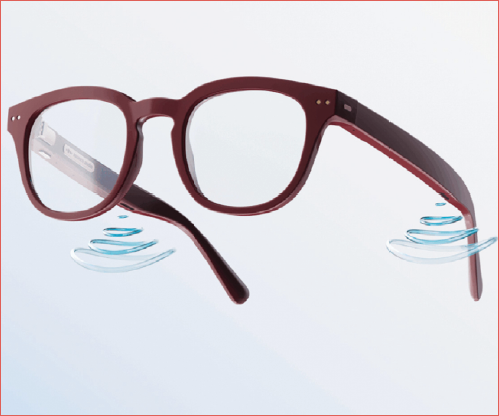
Cover Image
Objective. To evaluate the first audiometric outcomes of Nuance Audio hearing glasses, an overthe- counter solution integrating air conduction amplification technology into standard eyeglass frames, in individuals with mild to moderate hearing loss.
Methods. Thirty-two adults (mean age 74 years) with symmetric, age-related mild to moderate sensorineural hearing loss were tested. Pure-tone and speech audiometry were performed under unaided and aided free-field conditions. Device settings were adjusted via smartphone app based on audiometric profiles and user preference. Paired t-tests assessed the differences.
Results. Nuance Audio glasses significantly improved hearing thresholds, especially at 4000-6000 Hz, with mean gains of 10-11 dB HL. Speech reception thresholds improved by 7 dB at 50% intelligibility and 6 dB at 100%. Amplification profile preferences matched audiometric slopes and no differences in benefit were found between mild and moderate hearing loss groups.
Conclusions. Nuance Audio glasses provide clinically relevant improvements in pure-tone and speech thresholds for adults with mild to moderate presbycusis. Their discreet, open-ear design and self-fitting approach address barriers to traditional hearing aids and may support earlier adoption.
Introduction
Hearing loss (HL) is a prevalent global health issue affecting millions of people, with recent estimates from the World Health Organization (WHO) indicating that the majority of affected individuals experience mild to moderate impairment - defined as pure-tone hearing thresholds within the 26-60 dB HL range at frequencies between 250 and 4000 Hz 1. However, hearing difficulties are often underreported or underestimated, suggesting that the true prevalence may be substantially higher. In adults, over 90% of mild to moderate cases are sensorineural, for which air conduction hearing aids (HAs) remain the primary acoustic rehabilitative option.
Despite advances in digital signal processing and miniaturisation, traditional HAs still face persistent barriers to widespread adoption. These devices typically occupy the external auditory canal, potentially causing discomfort, irritation, or even pain, leading to reduced use or abandonment 2,3. Furthermore, the visibility of retroauricular devices (behind-the-ear, BTE) contributes to social stigma, particularly among younger and middle-aged users, with reported stigma-related avoidance among 41% of Baby Boomers, 47% of Generation X, and 63% of Millennials 4,5.
Eyeglass HAs, introduced in the mid-20th century, attempted to address these challenges by integrating amplification components into spectacle frames. However, earlier models still relied on ear couplers similar to conventional BTE HAs, thus limiting improvements in comfort and discretion. More recently, the advent of over-the-counter (OTC) HAs has broadened access to amplification for individuals with self-perceived mild to moderate hearing loss, eliminating the need for medical prescription or audiological fitting. Nevertheless, most OTC devices maintain the traditional form factor and continue to face issues related to ear occlusion, visibility, and suboptimal performance in complex acoustic environments 3,6.
To overcome these limitations, a novel OTC solution – Nuance Audio acoustic glasses (EssilorLuxottica®, Italy) – has recently been introduced. This innovative Food and Drug Administration (FDA) registered device integrates a multi-microphone array, signal processor, and miniature speakers directly into the arms of stylish eyeglass frames, delivering air conduction amplification without the need for in-ear components 7. Unlike prior eyewear-based HAs, Nuance Audio glasses employ advanced features such as the NAL-NL2 fitting algorithm, directional beamforming, noise reduction, and smartphone-based customisation tools. Critically, they represent a paradigm shift in design, offering the first example of a fully integrated air conduction HA within a wearable eyeglass format - addressing both functional and psychosocial barriers associated with traditional HAs.
To date, the efficacy of the system has been evaluated primarily through user-reported questionnaires, which have consistently yielded positive feedback. In only one published study, the device was assessed using a matrix test protocol, producing highly encouraging results 7. However, only one study using speech-in-noise testing has been published, and no audiometric data – such as pure-tone thresholds or speech reception scores – have been reported to date, likely due to the device’s recent introduction to the market.
This study presents the first systematic evaluation of the acoustic performance of Nuance Audio glasses in adults with mild to moderate hearing loss. Specifically, it investigates improvements in hearing thresholds and speech reception thresholds (SRTs) under free-field conditions, comparing performance with and without the device. These preliminary assessments are intentionally limited to basic audiometric measures typically used to evaluate hearing gain in conventional HAs – excluding real-ear measurements, subjective satisfaction surveys, or extended speech-in-noise testing – with the aim of establishing an initial understanding of the hearing improvement achievable with this innovative class of OTC HA.
Materials and methods
Participants
A total of 32 adults (17 females [53%], 15 males [47%]) with age-related sensorineural hearing loss (presbycusis) were enrolled in the study. The mean age was 74 years (range, 55-95 years).
Participants were included if their pure-tone average (PTA) thresholds were bilateral and symmetric (defined as interaural differences ≤ 10 dB at each frequency), within the 90th percentile of normative ISO data for presbycusis 8, consistent with mild-to-moderate sensorineural hearing loss (PTA < 65 dB HL between 250 and 4000 Hz).
Exclusion criteria included: conductive or mixed hearing loss, hearing loss due to non-age-related aetiologies (e.g., noise trauma, ototoxicity, middle ear surgery), prior HA use, non-native speakers of Italian.
Audiometric evaluation
All participants underwent baseline otoscopy and pure-tone audiometry in a soundproof booth using a calibrated clinical audiometer (HARP Plus, Inventis) with TDH-39 supra-aural headphones. Air-conduction thresholds were measured at 0.25, 0.5, 1, 2, 4, and 8 kHz using standard procedures. The mean unaided PTA (0.5, 1, 2, and 4 kHz) was 46 ± 11 dB HL in the right ear and 47 ± 11 dB HL in the left ear (Tab. I).
Device fitting
Participants were fitted with the Nuance Audio OTC hearing aid glasses (firmware 6.10.5), which integrate microphones, a digital signal processor, and open-ear speakers into the eyeglass frame arms.
During a standardised fitting session (~15 minutes per participant), subjects were given a brief period to adapt to the Nuance Audio glasses in a quiet environment through open conversation with the examiners. Although subjective impressions were not the focus of this study, participants were encouraged to share feedback regarding the perceived effectiveness and comfort of the device.
Each device was adjusted using the companion smartphone application, which allows customisation of volume, frequency response, and other settings. Four preset amplification profiles were available, corresponding to different audiometric configurations: (A) mild uniform hearing loss; (B) mild descending hearing loss; (C) moderate descending hearing loss; (D) moderate uniform hearing loss.
Given the OTC nature of the device, participants were initially provided with the Nuance Audio glasses configured with a randomly selected amplification profile and asked to wear them during a brief trial involving a few minutes of informal conversation. Under blinded conditions, they were then encouraged to freely explore and adjust the available settings using the companion smartphone app, until they identified the configuration that they found most comfortable and effective. This self-selected profile was subsequently used for all aided audiometric evaluations. In parallel, the examiner noted both the participant’s chosen amplification profile and the preset that would have been clinically recommended based on the individual’s audiometric characteristics and the examiner’s professional judgment. Importantly, the final choice remained entirely participant-driven, aligning with the real-world use of OTC hearing devices without professional fitting.
The volume level was standardised at 60% of the maximum across all subjects. Additionally, both the background noise reduction feature and the frontal directional microphone mode (prioritising sound from the front over the 360° omnidirectional setting) were activated for all evaluations.
Test procedures
Free-field testing was conducted in a quiet room with background noise below 35 dBA. Two loudspeakers (J 5A 80 W, FBT) were placed at 20° azimuth to the left and right of the participant, at ear level and one meter away.
Testing included:
- pure-tone audiometry in free field at 0.5, 1, 2, 4, and 6 kHz;
- free-field speech audiometry using standard lists of 10 Italian phonetically balanced bisyllabic words. Subjects were presented with multiple word lists at varying sound levels to determine the intensity at which 50% (Speech Recognition Threshold, SRT 50%) and 100% (SRT 100%) of the words were correctly identified.
Each test was performed twice: once unaided and once aided with the Nuance Audio device. The order of conditions was randomised between different patients.
Statistical analysis
Data analysis was conducted using IBM SPSS Statistics (version 28.0). In addition to the Kolmogorov-Smirnov test, we further assessed the normality of data distributions by generating Q-Q plots for all main audiometric variables, including pure-tone thresholds and SRTs in unaided and aided conditions (supplementary material). The results confirmed acceptable levels of normality, supporting the use of parametric statistical tests. Therefore, paired t-tests were used to compare unaided and aided conditions. To enhance interpretability and complement the p-values, we calculated Cohen’s d to estimate the effect size of aided versus unaided conditions. Statistical significance was set at p < 0.05.
Results
Although subjective impressions were not an endpoint of the study and were not systematically analysed, all participants reported a clear improvement in speech clarity and sound comfort during the short adaptation period. Average pure-tone hearing thresholds measured in free-field conditions, both unaided and aided with the Nuance Audio glasses, were analysed across frequencies ranging from 0.5 to 6000 Hz and are presented in Table II and Figure 1.
Paired-sample T-tests revealed statistically significant improvements in all main audiometric measures when using Nuance Audio hearing glasses. Specifically, free-field pure-tone average thresholds significantly improved from the unaided to the aided condition (t(31) = 18.53, p < 0.0001). In addition to statistical significance, the effect size using Cohen’s d to assess the magnitude of the improvement revealed a large effect size for pure-tone average thresholds (Cohen’s d = 0.83).
Based on the overall hearing thresholds, 13 participants were classified as having mild hearing loss, while 19 were categorised as having moderate hearing loss. To characterise the frequency distribution of hearing loss, each subject’s audiometric slope was determined by calculating the threshold difference between 500 Hz and 6000 Hz under free-field conditions and was categorised as follows:
- uniform slope: ≤ 20 dB difference (14 subjects, 44%);
- descending slope: > 20 dB difference (18 subjects, 56%).
The distribution of user-selected amplification profiles closely reflected these categories, with 14 subjects (44%) choosing the uniform slope and 18 subjects (56%) opting for the descending slope. A closer analysis of the relationship between audiometric slope and amplification preference revealed that among participants with a flat audiometric configuration, 9 of 14 (64%) selected the uniform slope setting. Similarly, among those with a descending audiometric profile, 16 of 18 (89%) preferred the descending slope, demonstrating strong concordance between the individual hearing loss pattern tested and the amplification profile selected by the examiner. Regarding the amplification level, all participants selected one of the profiles corresponding to moderate amplification (profiles C or D), regardless of their audiometric configuration. None of the subjects opted for the mild amplification programmes.
Speech reception thresholds (SRT) also improved with hearing glasses amplification:
- unaided SRT 50%: 42 dB (± 12);
- aided SRT 50%: 35 dB (± 9) → improvement of 7 dB;
- unaided SRT 100%: 61 dB (± 11);
- aided SRT 100%: 55 dB (± 11) → improvement of 6 dB.
Similarly to pure-tone thresholds, SRTs at 50% and 100% intelligibility showed significant improvement with Nuance Audio glasses (t(31) = 6.67, p < 0.0001; t(31) = 6.44, p < 0.0001, respectively). The effect sizes were large for both conditions, with Cohen’s d = 0.79 at 50% intelligibility and d = 0.61 at 100%, further supporting the clinical relevance of the observed improvements with the device.
Improvements in hearing thresholds and SRT values with the Nuance Audio device did not differ significantly based on the selected slope setting (uniform vs descending) or the degree of hearing loss (mild vs. moderate). Statistical analysis confirmed no significant correlation between the magnitude of improvement and these variables (p > 0.05, Pearson’s correlation test).
Discussion
Globally, there remains a substantial unmet need for hearing healthcare, with only 10-15% of individuals with hearing difficulties using HAs. Adoption rates vary widely, ranging from as low as 2% in low-income countries 9 to approximately 38% in the United States 10. The uptake is even lower among individuals with mild to moderate hearing loss, where the perceived benefit is often underestimated.
To improve access to hearing rehabilitation, the U.S. FDA introduced a new category of OTC HAs on October 17, 2022 11. These devices are intended for adults aged 18 years and older with self-perceived mild-to-moderate hearing loss. OTC HAs – air-conduction medical devices designed to amplify soft sounds - represent a major shift in the hearing care landscape: they can be purchased directly by consumers without the need for professional consultation. This policy aims to reduce both economic and psychological barriers, offering more accessible and self-managed solutions for hearing improvement.
Although many new OTC devices have recently been registered, the current market is still dominated by traditional HA manufacturers 12. OTC devices are expected to appeal particularly to younger users with milder hearing loss, who might otherwise delay or avoid treatment. Importantly, studies by De Sousa 13 and Sabin 14 have shown that self-fitting OTC HAs can deliver outcomes comparable to audiologist-fitted devices in cases of mild to moderate hearing impairment. Nonetheless, barriers to consistent use persist. Visibility and physical discomfort associated with in-ear devices remain key deterrents, especially for individuals who are sensitive to stigma or experience irritation from conventional ear molds. The Nuance Audio hearing glasses address several of these concerns by integrating amplification components directly into the arms of aesthetically designed eyeglass frames. Sound is delivered via 2 miniature speakers positioned just above the ear canal, eliminating the need for in-ear couplers and thereby enhancing comfort. This design also ensures that amplified sound remains virtually inaudible to nearby individuals, preserving discretion.
The device employs software with preset amplification profiles designed to meet the needs of most individuals with mild to moderate hearing loss, following a concept similar to that proposed by Urbanski et al. 15 for OTC HAs. In his study, Urbanski reported that speech recognition scores for the select-by-audiogram, select-by-self-test, and select-by-trying approaches were not statistically different from those achieved using the National Acoustic Laboratories – Non-Linear version 2 (NAL-NL2) fitting algorithm, confirming that this self-fitting paradigm may provide efficacy comparable to best-practice verification. Nuance Audio glasses also support user customisation through a companion smartphone application. Available adjustments include volume control, frequency response slope (uniform vs descending), microphone directionality (frontal vs omnidirectional), and background noise reduction. For the purposes of this study, all evaluations were conducted using the frontal directional microphone mode, which prioritises sounds originating in front of the wearer to enhance speech perception in face-to-face communication.
A preliminary study on the Nuance Audio system primarily focused on subjective outcomes and speech-in-noise performance. Harel-Arbeli et al. reported a significant improvement in the signal-to-noise ratio at 50% speech recognition (SNR-50) using the matrix test in experienced hearing aid users, with Nuance showing superior performance compared to conventional devices 7. The same study also included a 5-item questionnaire to assess user experience, revealing enhanced speech clarity and reduced listening effort with the Nuance Audio device. Furthermore, 5 of 7 items from the International Outcome Inventory for Hearing Aids (IOI-HA) yielded significantly higher scores for Nuance compared to traditional HAs.
To our knowledge, this is the first study to quantify the audiometric performance of the Nuance Audio system using standardised free-field pure-tone and speech testing – providing a robust and clinically relevant evaluation of its hearing benefit. These methods are standard in clinical practice for assessing HA benefits and offer a direct, quantifiable measure of acoustic improvement.
An initial component of our protocol involved a brief adjustment session, during which participants trialed different gain slope settings and provided subjective impressions regarding sound clarity and comfort. Although subjective satisfaction was not a primary outcome of this study, we observed a high degree of concordance between participants’ audiometric characteristics, the amplification profiles reported by experienced examiners, and the users’ own preferences.
Specifically, 64% of individuals with flat audiograms preferred the uniform gain setting, while 89% of those with descending audiograms chose the descending profile – suggesting that the device’s preset configurations are appropriately aligned with common audiometric patterns in presbycusis and support effective autonomous personalisation without the need for professional fitting. Interestingly, all participants independently selected one of the moderate amplification presets, regardless of their audiometric condition. This consistent preference suggests that users tend to favour slightly higher gain levels, likely perceiving them as providing a better balance between audibility enhancement and overall listening comfort. Such behaviour may reflect a natural self-adjustment tendency that is typical of OTC hearing aid users, who rely on subjective auditory feedback rather than prescriptive fitting procedures to achieve satisfactory amplification.
Audiometric testing revealed clinically meaningful improvements. Pure-tone thresholds demonstrated a progressive increase in gain from lower to higher frequencies, with average improvements of approximately 10-11 dB, particularly at 4000-6000 Hz. These results are especially significant in the context of presbycusis, where high-frequency hearing loss predominates. Amplification in these frequency ranges is essential for restoring consonant audibility and improving speech understanding, especially in noisy environments, where background noise often masks lower-frequency cues.
Speech audiometry further confirmed the benefit of the Nuance Audio glasses. Our participants exhibited mean improvements of 6-7 dB in SRT at both 50% and 100% intelligibility levels. Notably, these gains were consistent across individuals with both mild and moderate hearing loss, indicating stable performance of the hearing glasses across this clinical spectrum. As speech intelligibility in this study was assessed through multiple 10-word lists per condition, future research should incorporate sentence-based tests (e.g., the Matrix Test) to achieve a more complete, reliable, and ecologically valid assessment of real-world speech understanding.
Comparable auditory outcomes were reported in a recent systematic review and meta-analysis by Vo et al., which analysed conventional OTC HAs – not hearing glasses –and found an average improvement of approximately 8 to 10 dB in pure-tone audiometric thresholds, particularly in the mid-to-high frequency range, along with average SRT improvements of 5 to 7 dB in both quiet and noisy listening conditions 16. By contrast, in individuals with mild to moderate sensorineural hearing loss, the use of conventional prescriptive hearing aids – fitted by hearing care professionals following medical prescription, typically results in an average pure-tone gain of approximately 10-15 dB in the high-frequency range (3000-6000 Hz) 17,18. Regarding SRT measurements, these prescriptive devices can produce reductions in SRT of about 5-10 dB and increases in word recognition scores, even in noisy environments 17,19. Johnson et al. in their systematic review, confirmed that these benefits are substantial, although exact numerical values vary among studies 20.
Although the hearing improvements observed with Nuance Audio glasses are slightly lower than those reported in previously cited literature on conventional OTC HAs, they remain clinically relevant – particularly for individuals with early-stage hearing loss, who often lack of awareness of their condition or avoid traditional HAs due to cost, limited perceived benefit, stigma, or physical discomfort. One possible reason for the comparatively lower performance is related to the test setup: the device was set at 60% of its maximum amplification during testing to avoid potential distortion, which may have contributed to the observed results. Furthermore, in our clinic, speech was presented from ± 20 degrees azimuth, whereas Nuance Audio Glasses – when operating in frontal mode – are optimised for a nar- rower beam of approximately ± 10 degrees. Sounds arriving from directly in front would therefore have received greater amplification. This hypothesis warrants validation in future studies. Indeed, in this population, even moderate amplification can yield noticeable improvements in communication ability without over-amplifying environmental sounds or increasing the risk of discomfort or hyperacusis.
It is important to note that most studies on OTC HAs reported in the literature have primarily focused on subjective outcomes assessed over longer periods (e.g., self-reported quality-of-life 21 or perceived benefit measured with Abbreviated Profile of Hearing Aid Benefit - APHAB and International Outcome Inventory for Hearing Aids - IOI-HA 13,22) or have investigated usability 23, benefit-cost ratios 24, or fitting accuracy 25,26 – that is, the correspondence between device output and prescriptive targets – rather than true audiometric outcomes.
In contrast, the present study provides the first evaluation of the acoustic effects of a new concept of OTC HA, directly comparing free-field tonal and speech thresholds with and without hearing glasses. This approach contributes novel data to an area that remains underexplored in the current literature.
Our findings reinforce and extend previous results by Harel-Arbeli et al., who reported improved speech clarity and reduced listening effort based on self-reported outcomes 7. Beyond these encouraging results – confirming the adequate correction provided by Nuance Audio for individuals with mild to moderate sensorineural hearing loss – several limitations should be acknowledged. First, the exclusive focus on audiometric thresholds and SRTs provides only a partial representation of the device’s real-world impact. A more comprehensive evaluation would ideally include measures of speech understanding in noise, sound quality perception, and subjective ratings of benefit and satisfaction after extended use. Second, the study population was limited to adults with age-related sensorineural hearing loss, which may restrict the generalisability of the findings to other aetiologies or types of hearing impairment. Third, the adaptation period was necessarily brief; longer-term use could reveal additional effects on comfort, perceived benefit, and performance stability.
Future research should also include direct comparisons with conventional HAs in comparable populations to determine whether this OTC solution may represent a viable alternative to professionally fitted devices.
Conclusions
This study provides the first audiometric evidence supporting the efficacy of Nuance Audio OTC hearing glasses in adults with mild to moderate sensorineural hearing loss. The device demonstrated statistically and clinically significant improvements in both pure-tone thresholds and speech reception scores under free-field conditions. Notably, the user-driven fitting process – guided by intuitive smartphone customisation tools – resulted in amplification profiles that closely matched individual audiometric configurations. These findings suggest that Nuance Audio glasses may represent a user-friendly amplification option for individuals with mild-to-moderate hearing loss, combining comfort, discretion, and effective sound amplification. However, further comparative studies with conventional HAs are warranted to confirm these potential advantages.
Conflict of interest statement
The authors declare no conflict of interest.
Funding
This research did not receive any specific grant from funding agencies in the public, commercial, or not-for-profit sectors.
Author contributions
RA: conceptualization; LG: investigation; MB, CC: data curation; AA: writing – original draft preparation; RA, AC: writing – review and editing. All authors have read and agreed to the published version of the manuscript.
Ethical consideration
This study was approved by the Institutional Ethics Committee of the University of Turin (protocol number: 0526367, approved on 17/07/2025).
The research was conducted ethically, with all study procedures being performed in accordance with the requirements of the World Medical Association’s Declaration of Helsinki. Written informed consent was obtained from each participant for study participation and data publication.
History
Received: August 5, 2025
Accepted: October 26, 2025
Figures and tables
Figure 1. Graphical representation of the average hearing gain (in dB HL, Y-axis) provided by the Nuance Audio hearing glasses across frequencies from 0.5 to 6 kHz (X-axis). Gain values represent the difference in free-field hearing thresholds between unaided and aided conditions.
| 0.25 kHz | 0.5 kHz | 1 kHz | 2 kHz | 3 kHz | 4 kHz | 6 kHz | 8 kHz | |
|---|---|---|---|---|---|---|---|---|
| Right | 30(12) | 33(13) | 39(13) | 50(14) | 57(15) | 62(13) | 67(14) | 77(12) |
| Left | 27(12) | 36(13) | 41(14) | 50(13) | 56(15) | 62(14) | 73(13) | 77(11) |
| 0.5 kHz | 1 kHz | 2 kHz | 4 kHz | 6 kHz | 0.5-1-2-4 kHz | |
|---|---|---|---|---|---|---|
| FF thresholds without Nuance | 34(11) | 38(12) | 48(11) | 58(11) | 68(9) | 45(8) |
| FF thresholds with Nuance | 32(11) | 32(11) | 41(11) | 47(8) | 58(8) | 38(8) |
| Difference | 2 | 6 | 7 | 11 | 10 | 7 |
References
- Humes L. U.S. population data on hearing loss, trouble hearing, and hearing-device use in adults: National Health and Nutrition Examination Survey, 2011-12, 2015-16, and 2017-20. Trends Hear. 2023;27. doi:https://doi.org/10.1177/23312165231160978
- Oosthuizen I, Manchaiah V, Launer S. Hearing aid experiences of adult hearing aid owners during and after fitting: a systematic review of qualitative studies. Trends Hear. 2022;26. doi:https://doi.org/10.1177/23312165221130584
- Franks I, Timmer B. Reasons for the non-use of hearing aids: perspectives of non-users, past users, and family members. Int J Audiol. 2024;63:794-801. doi:https://doi.org/10.1080/14992027.2023.2270703
- Wallhagen M. The stigma of hearing loss. Gerontologist. 2010;50:66-75. doi:https://doi.org/10.1093/geront/gnp107
- Alcido M. Forbes Health survey: nearly half of people with hearing loss believe there is a hearing aid stigma, 2024.
- McCormack A, Fortnum H. Why do people fitted with hearing aids not wear them?. Int J Audiol. 2013;52:360-368. doi:https://doi.org/10.3109/14992027.2013.769066
- Harel-Arbeli T, Beck D. An Over-The-Counter (OTC) hearing aid option for people with self-perceived mild-to-moderate hearing loss: Nuance Audio™ Hearing Aid Glasses. J Otolaryngol ENT Res. 2025;17:9-14. doi:https://doi.org/10.15406/joentr.2025.17.00558
- Stenklev N, Laukli E. Presbyacusis-hearing thresholds and the ISO 7029. Int J Audiol. 2004;43:295-306. doi:https://doi.org/10.1080/14992020400050039
- Chadha S, Kamenov K, Cieza A. The world report on hearing, 2021. Bull World Health Organ. 2021;99:242-242A. doi:https://doi.org/10.2471/BLT.21.285643
- Carr K, Kihm J. MarkeTrak - Tracking the pulse of the hearing aid market. Semin Hear. 2022;43:277-288. doi:https://doi.org/10.1055/s-0042-1758380
- Chung K, Zeng F. Over-the-counter hearing aids: implementations and opportunities. Front Audiol Otol. 2024;2. doi:https://doi.org/10.3389/fauot.2024.1347437
- De Sousa K, Manchaiah V, Moore D. Effectiveness of an over-the-counter self-fitting hearing aid compared with an audiologist-fitted hearing aid: a randomized clinical trial. JAMA Otolaryngol Head Neck Surg. 2023;149:522-530. doi:https://doi.org/10.1001/jamaoto.2023.0376
- Sabin A, Van Tasell D, Rabinowitz B. Validation of a self-fitting method for over-the-counter hearing aids. Trends Hear. 2020;24. doi:https://doi.org/10.1177/2331216519900589
- Urbanski D, Hernandez H, Oleson J. Toward a new evidence-based fitting paradigm for over-the-counter hearing aids. Am J Audiol. 2021;30:43-66. doi:https://doi.org/10.1044/2020_AJA-20-00085
- Maidment D, Barker A, Xia J. A systematic review and meta-analysis assessing the effectiveness of alternative listening devices to conventional hearing aids in adults with hearing loss. Int J Audiol. 2018;57:721-729. doi:https://doi.org/10.1080/14992027.2018.1493546
- Dillon H. Hearing Aids. Thieme; 2012.
- Kuk F, Keenan D, Korhonen P. Audiometric thresholds and speech recognition in noise with hearing aids fitted using the NAL-NL1 prescription formula. Int J Audiol. 2003;42:321-29. doi:https://doi.org/10.3109/14992020309056090
- Kochkin S. MarkeTrak VIII: 25-year trends in the hearing health market. Hearing Review. 2010;17:12-31.
- Johnson C, Danhauer J, Ellis B. Hearing aid benefit in patients with mild sensorineural hearing loss: a systematic review. J Am Acad Audiol. 2016;27:293-310. doi:https://doi.org/10.3766/jaaa.14076
- Sacco G, Gonfrier S, Teboul B. Clinical evaluation of an overthe-counter hearing aid (TEO First®) in elderly patients suffering of mild to moderate hearing loss. BMC Geriatr. 2016;9. doi:https://doi.org/10.1186/s12877-016-0304-4
- Knoetze M, Manchaiah V, De Sousa K. Comparing self-fitting strategies for over-the-counter hearing aids: a crossover clinical trial. JAMA Otolaryngol Head Neck Surg. 2024;150:784-791. doi:https://doi.org/10.1001/jamaoto.2024.2007
- Coco L, Weeks T, Mouzin C. Usability of over-the-counter hearing aids in older adults. Am J Audiol. 2025;34:695-706. doi:https://doi.org/10.1044/2025_AJA-25-00013
- Jilla A, Johnson C, Baldwin J. Benefit-cost analyses of hearing aids, over-the-counter hearing devices, and hearing care services. Am J Audiol. 2024;33:1316-1330. doi:https://doi.org/10.1044/2024_AJA-23-00262
- Sheffield S, Jacobs M, Ellis C. Comparing direct-to-consumer devices to hearing aids: amplification accuracy for three types of hearing loss. Am J Audiol. Published online 2023:1-12. doi:https://doi.org/10.1044/2023_AJA-22-00170
- Shah R, Wilkins S, Panth N. Over-the-counter hearing aids: are they safe and effective?. Otolaryngol Head Neck Surg. 2024;171:1017-1026. doi:https://doi.org/10.1002/ohn.817
License

This work is licensed under a Creative Commons Attribution-NonCommercial-NoDerivatives 4.0 International License.
Copyright
Copyright (c) 2026 Società Italiana di Otorinolaringoiatria e chirurgia cervico facciale
How to Cite
- Abstract viewed - 792 times
- PDF downloaded - 134 times
- Supplementary material downloaded - 14 times