


Rhinology
Vol. 46: Issue 4 - August 2026
Comparative outcomes of nasalisation vs functional endoscopic sinus surgery in chronic rhinosinusitis with nasal polyposis: a 10-year retrospective study
Authors
Dubravko Manestar
 , Ema Ahel Ledić
, Svjetlana Jankovic
, Marko Velepič
, Olivia Perković
, Tamara Braut
, Ema Ahel Ledić
, Svjetlana Jankovic
, Marko Velepič
, Olivia Perković
, Tamara Braut
Summary
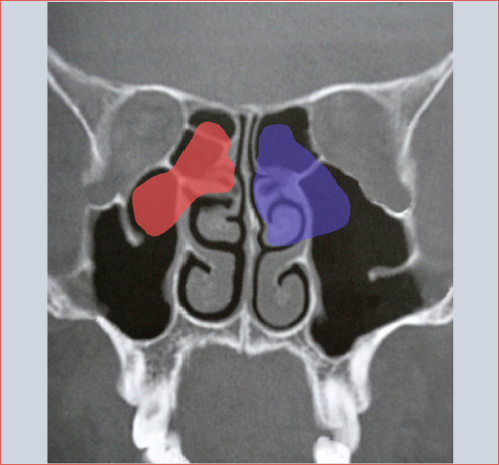
Cover Image
Objective. To compare outcomes of functional endoscopic sinus surgery (FESS) and nasalisation (radical ethmoidectomy) in chronic rhinosinusitis with nasal polyposis (CRSwNP), and to identify subgroups benefiting most from nasalisation.
Methods. We retrospectively analysed 480 surgeries (374 FESS, 106 nasalisation) from 2012 to 2022. Nasalisation patients had more severe baseline disease than FESS patients (mean Nasal Obstruction Symptom Evaluation [NOSE] score: 76.88 ± 6.18 vs 73.55 ± 7.25; mean Visual Analogue Scale [VAS] olfaction score: 6.53 ± 1.1 vs 8.8 ± 1.15; mean Lildholdt score: 2.09 ± 0.76 vs 1.57 ± 0.83; all p < 0.001). Subjective (NOSE, VAS) and objective (Lildholdt) scores were recorded preoperatively and at one, 3, 6, 12, and 24 months postoperatively.
Results. Despite worse baseline status, nasalisation showed greater improvements in subjective and objective measures, and was particularly effective in diffuse extensive polyposis. Paired t-tests confirmed significant postoperative enhancements (all p < 0.001; Cohen’s d > 0.8). At 24 months, nasalisation showed superior outcomes: NOSE (24.5 ± 5.5 vs 41 ± 6), VAS olfaction (1.95 ± 1.05 vs 3.95 ± 1.15) (both p < 0.001); Lildholdt scores were similar (0.5 ± 0.6 vs 0.53 ± 0.65; p = 0.68).
Conclusions. The preliminary results of this retrospective study showed that nasalisation in more severe cases of CRSwNP yielded better long-term clinical outcomes. These results motivate for further investigation through a prospective study that will include comprehensive olfactory testing, quality of life measures, and a more complete methodology with refined variables to address the limitations of the current data set.
Introduction
Chronic rhinosinusitis with nasal polyposis (CRSwNP) is a chronic inflammatory disease of the nasal and paranasal mucosa, causing symptoms like nasal obstruction, hyposmia and facial pressure, which affect quality of life of these patients. Medical treatments in general, including the use of topical and systemic corticosteroids, usually provide symptomatic relief. In many patients, medications fail to achieve long-term control of their disease, and surgery is therefore necessary for these patients to restore mucociliary clearance of the nasal and paranasal mucosa 1.
Functional endoscopic sinus surgery (FESS) is the standard surgical approach for the treatment of drug-refractory CRSwNP. The goal of FESS is to restore the mucociliary function and physiological sinus drainage while maximally preserving the mucosa. Since efficient mucociliary transport is crucial for maintaining patency of the ostiomeatal complex (OMC), which represents the anatomical intersection of the drainage of the frontal, maxillary, and anterior ethmoid sinuses, the surgery is aimed precisely at resolving the obstruction of the OMC and preserving its ventilation function. This minimally invasive technique dilates the natural sinus ostia to restore ventilation and drainage within the sinus system while preserving as much healthy mucosa and key anatomical structures as possible, such as the middle turbinate. FESS is consistent with the evolutionary-developmental (Evo-Devo) philosophy, which prioritises preservation of sinonasal anatomy and mucosal integrity to optimise postoperative healing and sinus drainage and ventilation functions 1,2.
Despite favourable outcomes in many patients, FESS may prove to be an inadequate way of treating extensive or recurrent polyps. Additionally, its lower efficacy is seen in patients with comorbidities such as asthma or aspirin-exacerbated respiratory disease (AERD), as well as in revision surgery 3,4. Furthermore, the anatomical variability of the sinonasal system and the heterogeneity of the disease, in practice, pose an additional challenge even for experienced surgeons, requiring intraoperative adaptability of instruments during surgery and removal of the diseased mucosa 1.
For these complex cases, more radical techniques such as radical ethmoidectomy (nasalisation) are indicated. This surgical procedure, first described by surgeon Roger Jankowski in 1995, is a systematic and extensive endoscopic procedure that includes complete ethmoidectomy, resection of the middle and superior turbinates, wide opening of the affected paranasal sinuses, and selective removal of inflamed non-olfactory mucosa 2,5. However, the olfactory cleft and inferior turbinates are usually not removed by this operation, in order to preserve nasal physiology and reduce the risk of postoperative anosmia 2,5,6.
Although primarily indicated for severe or refractory CRSwNP, nasalisation is also used for a wider range of sinonasal pathologies. Radical ethmoidectomy (nasalisation), as well as FESS, are performed using image-guided navigation systems which enable complete resections in anatomically complex conditions involving the olfactory cleft 7,8. The advantages of using image-guided navigation in nasalisation are improved visualisation that enables thorough removal of the diseased tissue, improved local drug delivery and potentially lower recurrence rates in patients with extensive mucosal inflammation 3,9.
The basic premise of nasalisation, contrary to the Evo-Devo paradigm of mucosal preservation, is an approach to radical resection (middle and upper nasal concha, ethmoid labyrinth), partial removal of non-olfactory mucosa when it is clinically justified. Although Evo-Devo principles warn against excessive widening of ostia and turbinates resection, proponents of nasalisation find justification for a radical approach in advanced, recurrent disease refractory to treatment 10. Emerging evidence suggests that nasalisation yields greater long-term improvements in subjective olfactory perception analyzed by Visual Analogue Scale (VAS) score and nasal obstruction versus FESS, with comparable polyposis recurrence and superior results in asthma or olfactory dysfunction 7,9,11.
However, nasalisation is not without limitations. Potential complications include anosmia and frontoethmoidal mucocele formation 12,13. It is generally contraindicated in pediatrics due to anatomical and developmental factors 14. In this study, “partial stripping” refers to selective removal of 60-80% of inflamed, non-olfactory mucosa from the ethmoid roof and lateral walls. This percentage is estimated preoperatively via endoscopy and refined intraoperatively using anatomical landmarks, direct visualisation, and image-guided navigation – preserving the olfactory cleft, mucosa, and inferior turbinates. This yields a practical, reproducible method to reduce procedural variability. The core distinction – middle turbinate preservation in FESS versus systematic removal in nasalisation – is illustrated schematically in the Cover figure.
At our institution, FESS is standardised as a mucosa-sparing technique involving wide sinus ostial enlargement and selective polypectomy. Nasalisation is reserved for patients with massive polyposis affecting the middle and/or superior turbinates or in revision cases following anatomically complete FESS. Image-guided navigation was routinely used for both FESS and nasalisation procedures at our institution to enhance anatomical orientation and safety across all cases. We particularly recommend its routine use in nasalisation – which is reserved for severe CRSwNP involving massive middle/superior turbinate polyposis or revision surgeries – due to the procedure’s increased anatomical complexity, critical structures proximity, and elevated complication risk.
This retrospective study evaluates long-term outcomes of 480 surgeries – 374 FESS and 106 nasalisation procedures – performed by a single surgeon between 2012 and 2022. Patients were assessed using both subjective (Nasal Obstruction Symptom Evaluation [NOSE], VAS and objective methods (endoscopic scoring with the Lildholdt scale) 15-17. Evaluations were conducted preoperatively and at one, 3, 6, 12, and 24 months postoperatively.
The aim of this study was to determine whether nasalisation provides superior long-term clinical outcomes compared to FESS in selected patients with advanced CRSwNP, and to clarify its role in surgical management of inflammatory and obstructive sinonasal disease.
Materials and methods
Patients
This retrospective cohort study included 480 consecutive adult patients diagnosed with CRSwNP who underwent surgical treatment at the Clinical Hospital Centre Rijeka, Department of Otorhinolaryngology and Head and Neck Surgery, between January 2012 and December 2022. All surgeries were performed by a single experienced surgeon using standardised techniques.
The cohort consisted of 374 patients treated with FESS and 106 patients who underwent nasalisation. The primary indications for nasalisation were massive polyposis involving the middle and/or superior turbinates, and/or revision cases following anatomically complete FESS (i.e., all sinus ostia already opened).
All study procedures were conducted in accordance with the ethical standards of the institutional and national research committee and the World Medical Association’s Declaration of Helsinki. The study protocol was approved by the Institutional Ethics Committee of Clinical Hospital Centre Rijeka, Croatia (approval number: 003-05/24-01/96; protocol number: 2170-29-02/1-24-2). Written informed consent was obtained from all participants for study participation and data publication. Patient anonymity and confidentiality were strictly maintained, and no identifiable data are presented.
Surgical procedures
All surgeries were performed under general anesthesia. In the FESS group (n = 374), the procedure was performed with maximal preservation of anatomical and mucosal structures. Natural sinus ostia (maxillary, ethmoid, frontal, and sphenoid) were identified and enlarged, with polypectomy performed as needed. The middle and inferior turbinates were preserved in accordance with minimally invasive endoscopic sinus surgery principles.
In the nasalisation group (n = 106), a more radical and systematic endoscopic approach based on Jankowski’s technique was employed. This included bilateral complete ethmoidectomy, sphenoidotomy, maxillary antrostomy, frontal sinusotomy, and resection of the middle and superior turbinates. The olfactory cleft, olfactory mucosa, and inferior turbinates were preserved (Tab. I). Image-guided navigation was routinely employed in all cases to assist with anatomical localisation and minimise complications. In both groups, all affected sinuses were widely opened and cleared of polyps and inflamed tissue.
Postoperative care
All patients received standardised postoperative care. During the initial 48 hours intravenous gentamicin (2 × 80 mg daily) and dexamethasone (8 mg daily, typically in the morning) were administered. Most patients were discharged on the first or second postoperative day. Upon discharge, the following regimen was prescribed:
- intranasal corticosteroids (fluticasone propionate, 200 μg/day);
- isotonic saline nasal irrigations, 3 times daily.
Compliance with postoperative treatment was reinforced at follow-up visits. No systemic corticosteroids or antibiotics were prescribed unless clinically indicated.
Outcome measures and follow-up
Patients were evaluated at 6 timepoints: preoperatively, and one, 3, 6, 12, and 24 months postoperatively.
Objective assessment
Nasal polyposis severity was assessed using nasal endoscopy and graded according to the Lildholdt scale. Bilateral endoscopic evaluation was performed; the higher score between sides was used for analysis.
Subjective assessment
Subjective symptoms were evaluated using the NOSE scale and VAS for olfaction. The NOSE scale, specific to nasal obstruction (our cohort’s primary symptom), was selected due to its validation, brevity, and routine clinical use during the study period (2012-2022). A validated Croatian version of the more comprehensive SNOT-22 was not widely available or adopted in our institution until after 2020, limiting its retrospective application. Nasal obstruction was scored 0-100 (higher = worse). VAS olfaction (0 = normal, 10 = anosmia) provided subjective olfactory perception only.
No objective psychophysical testing (e.g., UPSIT, Sniffin’ Sticks, TDI) was performed.
Both the Lildholdt and NOSE scales are presented in Table II.
Statistical analysis
Data were collected and entered using Microsoft Excel. Statistical analysis was performed using JASP software. Continuous variables were expressed as mean ± standard deviation (SD). For intra-group comparisons (preoperative vs postoperative) paired Student’s t-test was used. For inter-group comparisons (FESS vs nasalisation), the independent samples t-test was used. For categorical variables Chi-square test was used. A p value < 0.05 was considered statistically significant.
Results
Patient cohort
At the outset of this study, 702 patients were screened at the Department of Otorhinolaryngology and Head and Neck Surgery, CHC Rijeka, for data collection during the time period 2012–2022. A total of 244 patients were excluded from the study due to insufficient follow-up (< 24 months; n = 118) or missed scheduled follow-up visits (n = 104), which was primarily among older patients (> 70 years), and the reasons were mortality or unrelated health problems. Of the 47 patients aged > 70 at baseline, only 18 remained in the final cohort, reflecting a dropout rate of 62% in this subgroup compared to 12% in the overall cohort.
Dropouts were disproportionately high during 2020–2021, accounting for approximately one-third of all dropouts, and these were disorders related to the COVID-19 pandemic. The final cohort consisted of 480 patients, of whom 374 underwent FESS and 106 underwent nasalisation (radical ethmoidectomy). Regarding the gender distribution, 296 males were included in the total cohort (mean age, 48 years) and 184 females (mean age, 48.2 years). In the FESS group there were 220 males (mean age, 47.5 years) and 154 females (mean age, 46.8 years), while in the nasalisation group there were 76 males (mean age, 51.2 years) and 30 females (mean age, 51.1 years).
Preoperative comparison of patients (baseline status)
At the beginning of the study, patients selected for radical surgery (nasalisation) showed significantly more severe disease in all measured parameters. Mean NOSE scores were higher in the nasalisation group (76.88 ± 6.18) compared with the group of patients scheduled for FESS (73.55 ± 7.25; p < 0.001), indicating that patients scheduled for nasalisation had greater nasal obstruction. Olfactory function was significantly reduced in the nasalisation group, with lower VAS olfaction scores (6.53 ± 1.1 vs 8.8 ± 1.15; p < 0.001), and higher Lildholdt scores (2.09 ± 0.76 vs 1.57 ± 0.83; p < 0.001), reflecting more extensive nasal polyposis in these patients. All between-group differences in disease severity at baseline manifested high statistical significance (p < 0.001), with no significant differences in age or gender distribution (Tab. III).
Comparison of longitudinal intragroup outcomes
Table IV presents mean ± SD values and changes from baseline (Δ) for NOSE, VAS olfaction, and Lildholdt scores in both surgical groups of patients. Both FESS and nasalisation patients demonstrated significant improvements from preoperative baseline at all postoperative timepoints (1, 3, 6, 12, and 24 months; all p < 0.001), with large effect sizes (Cohen’s d > 0.8) confirming substantial clinical significance.
In the total cohort, NOSE scores improved significantly from preoperative baseline (74.29 ± 7.16) to one month postoperatively (32.97 ± 14.08), with a paired t-test yielding t(479) = 59.171, p < 0.001, and Cohen’s d = 2.701 (95% CI, 2.506-2.892). These scores peaked at 12 months (t(479) = 71.749, d = 3.275) and remained such at 24 months (d = 3.181). VAS olfaction showed maximum improvement at 6 months (t(479) = − 36.209, d = − 1.653), while Lildholdt scores showed sustained polyposis control at 24 months (t(479) = 42.705, d = 1.949).
Although Shapiro-Wilk tests confirmed non-normality across postoperative measures (all W < 0.98, p < 0.001), paired t-tests remained robust given the large sample size (n = 480) and effect magnitudes. Patients treated with nasalisation showed a particularly large reduction in both NOSE and VAS scores at 24 months, suggesting sustained symptomatic relief and recovery of the olfactory system, while improvements according to the Lildholdt scale were comparable between groups (Figs. 1-3).
Intergroup postoperative comparisons
At one month postoperatively (Tab. V), NOSE scores remained significantly lower in the nasalisation group (t(478) = 10.45, p < 0.001), indicating greater early relief of nasal obstruction. However, VAS olfaction (t(478) = 1.31, p = 0.192) and Lildholdt scores (t(478) = 0.76, p = 0.469) were equivalent in both the nasalisation and FESS groups, as expected following polyps removal.
At 24 months after surgery (Tab. V), nasalisation results maintained superiority in NOSE (t(478) = 25.67, p < 0.001) and VAS olfaction scores (t(478) = 12.34, p < 0.001), reflecting sustained benefits of this operative approach. However, comparable Lildholdt scores (t(478) = 0.42, p = 0.68) indicate equivalent long-term polyposis control after both procedures. Thus, both procedures were shown to be effective early postoperatively, but nasalisation showed superior durability for olfactory recovery at 24 months, while being consistent with FESS in the treatment of polyps.
In summary, results show that both surgical techniques were effective in improving nasal obstruction and olfaction at early time points. However, the group of patients treated with nasalisation showed more sustained improvement in olfaction over 24 months, whereas the FESS group showed some decline after the initial postoperative period. Furthermore, at 24 months after surgeries, polyps recurrence rates, as reflected by Lildholdt’s results, were comparable between the 2 groups (Figs. 1-3). Detailed intra-group comparisons from baseline to postoperative time points are shown in Table V.
Discussion
This study presents one of the largest retrospective comparisons of nasalisation (radical ethmoidectomy) vs FESS in the treatment of CRSwNP, with a 24-month follow-up assessing both subjective and objective outcomes. Despite significantly worse baseline disease severity in the nasalisation group, these patients achieved long-term outcomes that were comparable to, or exceeded, those in the FESS group, particularly in terms of olfactory function and nasal obstruction.
Patients selected for nasalisation had more severe disease preoperatively. This is consistent with surgical criteria that favour this procedure in patients with diffuse and extensive polyposis. Before surgery, the group of patients selected for nasalisation showed significantly higher NOSE scores (mean, 76.88), more severely impaired olfactory function on the VAS scale (mean, 8.8; p < 0.001), and a higher polyp burden as reflected in the Lildholdt scores (mean, 2.09; p < 0.001). These differences confirm the justification of the indication for nasalisation in cases of advanced CRSwNP.
One month after surgery, the results of both groups of patients were compared and we found that NOSE scores were significantly lower in the nasalisation group (p < 0.001). These results indicate greater early symptomatic relief in patients treated with nasalisation. However, when comparing VAS olfaction (p = 0.192) and Lildholdt scores (p = 0.469) we found that these scores did not differ significantly between the 2 groups. This means that both surgical approaches have equivalent early olfactory outcomes immediately after polyps removal.
By the 24-month period, the group of patients treated with nasalisation continued to show better results of this surgical approach. NOSE scores remained significantly lower in patients treated with nasalisation (p < 0.001), indicating better long-term control of nasal obstruction after radical ethmoidectomy. VAS olfaction scores were significantly better in the group of patients treated with nasalisation (p < 0.001), indicating a better subjective olfactory perception. However, at the same time-point, there was no significant difference in Lildholdt scores between both groups of patients (p = 0.68), indicating similarly low rates of polyps recurrence.
In our cohort, no severe intraoperative complications such as cerebrospinal fluid leaks, orbital injuries, or ethmoid artery haemorrhage occurred in any of the patient groups. The absence of severe intraoperative complications in our study is consistent with Jankowski’s series of 508 nasalisation cases in which the investigators reported no significant increase in perioperative complications compared with classical ethmoidectomy (FESS). Furthermore, recent meta-analyses confirm the low rates of severe intraoperative complications in radical endoscopic surgery (0.5-2%) 18.
The results of our preliminary research support the hypothesis that a more extensive mucosal resection during nasalisation can achieve a more permanent relief of symptoms in patients, without increasing the risk of damage to the sense of smell or recurrence of the disease. Regarding this, we can discuss the traditional paradigm that in any case favours the preservation of the mucosa, which is quite debatable in patients with diffuse eosinophilic polyposis. Our results are consistent with earlier studies by Jankowski et al. 2,4,7, which showed improved long-term disease control with radical ethmoidectomy in selected patient populations.
Recent literature increasingly supports nasalisation in patients with severe CRSwNP, particularly in terms of sustained improvement in the olfactory system in these patients, subsequent reduction in the use of systemic corticosteroids, and reduction in the number of revision surgeries after radical surgery 3,4,7,9,19. However, systematic reviews of the literature naturally yield different perspectives supported by different evidence. Some studies confirm the benefits of radical procedures (nasalisation) in eosinophilic CRSwNP in which patients do not experience improvement in symptoms with corticosteroids, while other studies report equivalent long-term outcomes as measured by the SNOT-22 test between FESS and radical extended surgical approaches, but with higher rates of scar formation with radical techniques (5-15 vs < 5%) 20.
Furthermore, studies show that the emergence of biologic therapies (dupilumab, omalizumab) may reduce surgical indications for advanced disease – as presented in EPOS 2020 guidelines which recommend biologics as first-line for severe, uncontrolled CRSwNP before considering nasalisation as a treatment option for these patients 21,22.
In patients with comorbid asthma or aspirin-exacerbated respiratory disease (AERD), subgroups often characterised by steroid-resistant, eosinophilic inflammation, nasalisation has shown superior outcomes compared to FESS, including prolonged maintenance of olfactory function and improved asthma control 7,14.
Histopathologic studies also support the radical surgical approach, showing that recurrent lesions after nasalisation are often respiratory epithelial adenomatoid hamartomas (REAH) rather than true inflammatory polyps as a postoperative complication, thereby emphasising the benefit of complete tissue removal with this technique 8,23. In revision cases in patients previously treated with FESS for persistent or recurrent chronic rhinosinusitis with polyps, nasalisation remains a valid and effective surgical option for these patients as well.
Although the results of nasalisation confirm that there is a clinical benefit for patients after this procedure, concerns in the literature are high as it is a radical complex resection of anatomical structures and mucosa. There are concerns about potential side effects, including long-term atrophic rhinitis, persistent postoperative crusting, impaired mucociliary system, production of thick nasal secretions, and craniofacial discomfort. It should also be noted that some studies have shown that radical surgical methods, including nasalisation, are not always effective in improving anosmia and may even be associated with a potential risk of developing postoperative anosmia, especially when surgery extends near the olfactory clefts 24. Iatrogenic anosmia is also a theoretical concern, particularly if the olfactory clefts are not carefully preserved 12,13,25. However, in our cohort, no significant postoperative olfactory complications were observed, aligning with reports that careful surgical technique can minimise these risks 6,7.
A well-known postoperative risk of nasalisation is the formation of a mucocele, especially in the frontoethmoidal area, which is formed either de novo or due to the expansion of residual mucosa. Therefore, it is extremely important to perform preoperative and postoperative radiological surveillance in high-risk patients 12. In Jankowski’s retrospective study of 508 nasalisation cases, no significant increase in perioperative complications was observed compared to classic ethmoidectomy 2. When guided by preoperative imaging and modern endoscopic techniques, nasalisation can reduce long-term complications while ensuring complete removal of diseased tissue 3,24-26.
Methodological considerations and limitations
This study has several methodological limitations inherent to its retrospective design. We had a significant dropout rate of 35% in this study (62% in patients older than 70 years). Most dropouts in this older subgroup were related to mortality or comorbidities (unrelated to the study itself), and the COVID-19 pandemic further increased loss to follow-up during 2020-2021. Potential bias could have affected the interpretation of long-term outcomes by selectively excluding patients with potentially worse functional status or clinical trajectories. As this retrospective part of our study is now complete, no further data collection or correction of results from the variables analysed in this retrospective study can be performed.
Other limitations of this retrospective study include the use of subjective olfactory assessment (VAS) without psychophysical testing and the narrow assessment of nasal obstruction using the NOSE scale instead of more comprehensive instruments such as the SNOT-22, as these tests were not in standard use and available during the study period in our hospital. Also, the methodology we used was convenient selection of the patient population non-randomly for FESS or radical ethmoidectomy according to the severity of the disease. We did not include important clinical variables (e.g. asthma, AERD, inflammatory markers), and there is an imbalance in group sizes, which also limits the interpretation and generalisation of our results. These factors mean that the results of this retrospective study are observational and hypothesis-generating, without the possibility of causal conclusions.
Future directions
Building on these preliminary results, our team is planning a prospective follow-up study designed to address the aforementioned shortcomings of this study and reduce dropout bias through active and flexible patient follow-up strategies, including remote assessments to better retain older patients. The prospective study will include objective olfactory testing (eg, UPSIT, Sniffin’ Sticks), comprehensive measures of symptoms and quality of life (eg, SNOT-22), and detailed phenotypic characterisation, including asthma, AERD, and inflammatory profiles, all of which will be correlated in groups of patients scheduled for FESS and those scheduled for nasalisation. Randomised allocation based on disease severity and comprehensive parameters will be performed to strengthen causal inference. By systematically recording complications, longitudinal preoperative and postoperative radiological imaging of patients, our prospective study will aim to provide more robust data that will have a more well-founded argumentation regarding the choice or making surgical decisions in the direction of one or another operation in populations with CRSwNP 27.
Conclusions
This study provides strong evidence that nasalisation is an effective surgical option for patients with severe or recurrent nasal polyposis. Despite being reserved for more advanced cases, nasalisation resulted in significantly greater long-term improvements in subjective olfactory perception (VAS) and nasal obstruction compared to FESS, with similar rates of polyps recurrence. Results of our retrospective study support the choice of nasalisation as a permanent and justified approach in selected patients. Nasalisation compared with FESS, which is also effective for the treatment of polyps, may nevertheless offer better outcomes in patients with diffuse polyposis or who have already undergone revision surgery.
In any case, all clinical decisions should be individualised, considering the severity of the disease, comorbidities, and medical history. We consider it important to conduct prospective studies to confirm these results and further refine the criteria for selecting patients for a more radical approach in the treatment of CRSwNP.
In memory of Full Professor Darko Manestar, PhD, MD
Our teacher and former Chief of the Department, whose guidance inspired this work.
Acknowledgements
We would like to express our sincere gratitude to Associate Professor Marko Velepič, MD, Head of the Clinic of Otorhinolaryngology and Head and Neck Surgery at the Clinical Hospital Centre Rijeka, for his support in facilitating this study. We also wish to thank to the medical staff of the Clinic for their assistance in data collection and patient follow-up.
Conflict of interest statement
The authors declare no conflict of interest.
Funding
This article is a part of the scientific project: DUBRAVKO MANESTAR – EXPERIENCED SCIENTIST 2023 Using the ratio of peak nasal inspiratory flow to peak inspiratory flow as an objective diagnostic method for nasal obstruction. The UNIRI projects are projects approved and financed by the University of Rijeka.
Author contributions
DM, TB: conceptualization, validation; DM: methodology; DM, EAL, MV, OP: investigation and resource; DM, EAL, MV, TB: writing – original draft preparation; DM, EA, SJ: writing – review and editing. All authors have read and agreed to the published version of the manuscript.
History
Received: October 23, 2025
Accepted: January 9, 2026
Figures and tables
Figure 1. Nasal Obstruction Symptom Evaluation (NOSE) scale. Preoperative NOSE scores differed significantly from all postoperative follow-up scores in both the FESS group (p < 0.001) and the nasalisation group (p < 0.001). Preop = preoperative; 1M, 3M, 6M, 12M, 24M = follow-up at one, 3, 6, 12, and 24 months, respectively.
Figure 2. Olfaction Visual Analogue Scale (VAS). Significant differences between preoperative and postoperative scores were observed in the FESS group (p < 0.001) and the nasalisation group (p < 0.001). Preoperative = preoperative; 1M, 3M, 6M, 12M, 24M = follow-up at 1, 3, 6, 12, and 24 months, respectively.
Figure 3. Lildholdt scale. Preoperative scores differed significantly from postoperative scores in both the FESS group (p < 0.001) and the nasalisation group (p < 0.001). Postop = postoperative; 12M and 24M indicate time-points at 12 and 24 months after surgery.
| Anatomical structure | FESS | Nasalisation |
|---|---|---|
| Ethmoid labyrinth | Partially removed (60-80%) | Completely removed (bilateral ethmoidectomy) |
| Middle turbinate | Preserved | Resected |
| Superior turbinate | Preserved | Resected |
| Inferior turbinate | Preserved | Preserved |
| Olfactory mucosa | Preserved | Preserved |
| Non-olfactory mucosa | Mostly preserved | Partially removed (60-80%) |
| Paranasal sinuses | Opened as needed | All sinuses systematically opened and cleared |
| Lildholdt scale for endoscopic grading of nasal polyposis | Nose questionnaire (Likert-type response scale) | Lildholdt scale for endoscopic grading of nasal polyposis | Nose questionnaire (Likert-type response scale) |
|---|---|---|---|
| Grade | Description | Score | Response |
| 0 | No polyps | 0 | Not a problem |
| 1 | Mild: polyps not reaching the upper edge of the inferior turbinate | 1 | Very mild problem |
| 2 | Moderate: polyps between the upper and lower edges of the inferior turbinate | 2 | Moderate problem |
| 3 | Severe: polyps extending below the lower edge of the inferior turbinate | 3 | Fairly bad problem |
| 4 | Severe problem |
| Variable | FESS (n = 374) | Nasalisation (n = 106) | p value |
|---|---|---|---|
| Age, mean ± SD (years) | 47.5 ± 6.2 (M) | 51.2 ± 5.9 (M) | > 0.05 |
| 46.8 ± 6.4 (F) | 52.1 ± 6.1 (F) | ||
| NOSE score (0-100) | 73.55 ± 7.25 | 76.88 ± 6.18 | < 0.001 |
| Olfaction VAS (0-10) | 8.8 ± 1.15 | 6.53 ± 1.1 | < 0.001 |
| Lildholdt score (0-3) | 1.57 ± 0.83 | 2.09 ± 0.76 | < 0.001 |
| Group | Outcome | Preop (Mean ± SD) | One month (Mean ± SD; Δ) | 24 months (Mean ± SD; Δ) | p value (overall) |
|---|---|---|---|---|---|
| FESS | NOSE | 73.55 ± 7.25 | 38.2 ± 6.5 | 41 ± 6 | < 0.001 |
| (-35.4) | (-32.6) | ||||
| VAS (olfaction) | 8.8 ± 1.15 | 2.45 ± 1.05 | 3.95 ± 1.15 | < 0.001 | |
| (-6.4) | (-4.9) | ||||
| Lildholdt | 1.57 ± 0.83 | 0.45 ± 0.6 | 0.53 ± 0.65 | < 0.001 | |
| (-1.12) | (-1.04) | ||||
| Nasalisation | NOSE | 76.88 ± 6.18 | 31.9 ± 6.1 | 24.5 ± 5.5 | < 0.001 |
| (-45) | (-52.4) | ||||
| VAS (olfaction) | 6.53 ± 1.1 | 2.35 ± 1 | 1.95 ± 1.05 | < 0.001 | |
| (-4.18) | (-4.58) | ||||
| Lildholdt | 2.09 ± 0.76 | 0.42 ± 0.58 | 0.5 ± 0.6 | < 0.001 | |
| (-1.67) | (-1.59) | ||||
| Note: Δ: mean change from baseline (negative values indicate improvement for all measures). Data at one and 24 months from Table V ; intermediate timepoints (3, 6, 12 months) showed sustained improvements consistent with these trends. | |||||
| Outcome measure | Time | FESS (Mean ± SD) | Nasalisation (Mean ± SD) | p value |
|---|---|---|---|---|
| NOSE score | 1 month | 38.20 ± 6.50 | 31.90 ± 6.10 | < 0.001 |
| 24 months | 41.00 ± 6.00 | 24.50 ± 5.50 | < 0.001 | |
| Olfaction VAS | 1 month | 2.45 ± 1.05 | 2.35 ± 1.00 | 0.192 (n.s.) |
| 24 months | 3.95 ± 1.15 | 1.95 ± 1.05 | < 0.001 | |
| Lildholdt scale | 1 month | 0.45 ± 0.60 | 0.42 ± 0.58 | 0.469 (n.s.) |
| 24 months | 0.53 ± 0.65 | 0.50 ± 0.60 | 0.68 (n.s.) | |
| Note: n.s.: no statistically significant difference. | ||||
References
- Homsi M, Gaffey M. Sinus Endoscopic Surgery. StatPearls Publishing; 2022.
- Jankowski R, Pigret D, Decroocq F. Comparison of functional ethmoidectomy and nasalization for diffuse and severe nasal polyposis. Acta Otolaryngol. 1997;117:601-608. doi:https://doi.org/10.3109/00016489709113445
- Southwood J, Loehrl T, Poetker D. Advances in surgery: extended procedures for sinonasal polyp disease. Adv Otorhinolaryngol. 2016;79:148-157. doi:https://doi.org/10.1159/000445153
- Muhonen E, Goshtasbi K, Papagiannopoulos P. Appropriate extent of surgery for aspirin-exacerbated respiratory disease. World J Otorhinolaryngol Head Neck Surg. 2020;6:235-240. doi:https://doi.org/10.1016/j.wjorl.2020.07.005
- Jankowski R, Nguyen D, Russel A. Chronic nasal dysfunction. Eur Ann Otorhinolaryngol Head Neck Dis. 2018;135:41-49. doi:https://doi.org/10.1016/j.anorl.2017.11.006
- Jankowski R, Rumeau C, Nguyen D. Updating nasalization: from concept to technique and results. Eur Ann Otorhinolaryngol Head Neck Dis. 2018;135:327-334. doi:https://doi.org/10.1016/j.anorl.2018.05.006
- Jankowski R, Georgel T, Vignaud J. Endoscopic surgery reveals that woodworkers’ adenocarcinomas originate in the olfactory cleft. Rhinology. 2007;45:308-314.
- Nguyen D, Jankowski R, Bey A. Respiratory epithelial adenomatoid hamartoma is frequent in olfactory cleft after nasalization. Laryngoscope. 2020;130:2098-2104. doi:https://doi.org/10.1002/lary.28298
- Jankowski R, Pigret D, Decroocq F. Comparison of radical (nasalization) and functional ethmoidectomy in patients with severe sinonasal polyposis. A retrospective study. Rev Laryngol Otol Rhinol (Bord). 2006;127:131-140.
- Bonfils P, Jankowski R, Werner A. Les dysosmies d’origine naso-sinusienne: revue de la littérature (I) [Smell dysfunction in nasal and paranasal sinus disease: a review of the literature (I)]. Ann Otolaryngol Chir Cervicofac. 2001;118:131-142.
- Chobillon M, Jankowski R. Relationship between mucoceles, nasal polyposis and nasalization. Rhinology. 2004;42:219-224.
- Jankowski R, Bodino C. Olfaction in patients with nasal polyposis: effects of systemic steroids and radical ethmoidectomy with middle turbinate resection (nasalization). Rhinology. 2003;41:220-230.
- Lopes G, Jankowski R. Anosmia following superior turbinate resection. Rev Laryngol Otol Rhinol (Bord). 2004;125:189-191.
- Zhao X, Chen M, Cheng L. Current and emerging treatment options in sinus and nasal diseases: surgical challenges and therapeutic perspectives. J Clin Med. 2023;12. doi:https://doi.org/10.3390/jcm12041485
- Stewart M, Witsell D, Smith T. Development and validation of the Nasal Obstruction Symptom Evaluation (NOSE) scale. Otolaryngol Head Neck Surg. 2004;130:157-163. doi:https://doi.org/10.1016/j.otohns.2003.09.016
- Yeung A, Wong N. The historical roots of visual analog scale in psychology as revealed by reference publication year spectroscopy. Front Hum Neurosci. 2019;12. doi:https://doi.org/10.3389/fnhum.2019.00086
- Jeong S, Chen T, Nguyen S. Correlation of polyp grading scales with patient symptom scores and olfaction in chronic rhinosinusitis: a systematic review and meta-analysis. Rhinology. Published online 2022. doi:https://doi.org/10.4193/Rhin22.011
- Dhamija R, Das N, Ding P. Complication rates following endoscopic sinus surgery for chronic sinusitis. Am J Rhinol Allergy. 2025;39:197-204. doi:https://doi.org/10.1177/19458924251315434
- Jankowski R, Bodino C. Evolution of symptoms associated to nasal polyposis following oral steroid treatment and nasalization of the ethmoid-radical ethmoidectomy is functional surgery for NPS. Rhinology. 2003;41:211-219.
- Hopkins C, Gillet S, Slack R. Psychometric validity of the 22-item Sinonasal Outcome Test. Clin Otolaryngol. 2009;34:447-454. doi:https://doi.org/10.1111/j.1749-4486.2009.01995.x
- Bachert C, Han J, Desrosiers M. Efficacy and safety of dupilumab in patients with severe chronic rhinosinusitis with nasal polyps (SINUS-24 and SINUS-52): results from two multicentre, randomised, double-blind, placebo-controlled, parallel-group phase 3 trials. Lancet. 2021;397:1623-1635. doi:https://doi.org/10.1016/S0140-6736(19)31881-1
- Fokkens W, Viskens A, Backer V. EPOS/EUFOREA update on indication and evaluation of Biologics in Chronic Rhinosinusitis with Nasal Polyps 2023. Rhinology. 2023;61:194-202. doi:https://doi.org/10.4193/Rhin22.489
- Issa M, Oliveira V, Nunes F. Prevalence of respiratory epithelial adenomatoid hamartomas (REAH) associated with nasal polyposis: an epidemiological study – How to diagnose. Braz J Otorhinolaryngol. 2022;88:S57-S62. doi:https://doi.org/10.1016/j.bjorl.2021.09.009
- Dessouky O, Hopkins C. Surgical versus medical interventions in CRS and nasal polyps: comparative evidence between medical and surgical efficacy. Curr Allergy Asthma Rep. 2015;15. doi:https://doi.org/10.1007/s11882-015-0566-5
- Lopes G, Jankowski R. Anosmia following superior turbinate resection. Rev Laryngol Otol Rhinol (Bord). 2004;125:189-191.
- Marsot-Dupuch K, Gayet-Delacroix M, Callonnec F. Imaging surgical paranasal sinuses. Feuillets de Radiologie. 1999;39:433-449.
- Jiménez-Chobillon M, Martínez-Castillo F, Valdés-Hernández E. Refinement of the nasalization technique for nasal polyposis. Eur Ann Otorhinolaryngol Head Neck Dis. 2016;133:237-241. doi:https://doi.org/10.1016/j.anorl.2015.08.043
Downloads
License

This work is licensed under a Creative Commons Attribution-NonCommercial-NoDerivatives 4.0 International License.
Copyright
Copyright (c) 2026 Società Italiana di Otorinolaringoiatria e chirurgia cervico facciale
How to Cite
- Abstract viewed - 407 times
- pdf downloaded - 132 times